
Traditional Baechu Kimchi: Anaerobic Heterofermentative Lactic Acid Synthesis, Osmotic Cellular Dehydration, and Macromolecular Glycoprotein Enzymatic Hydrolysis
Rooted in ancient Korean preservation sciences and serving as the definitive culinary anchor of the peninsula, the traditional Baechu Kimchi (Fermented Napa Cabbage) stands as a monumental biological masterclass in anaerobic heterofermentative lactic acid synthesis, hyper-osmotic cellular dehydration, and macromolecular glycoprotein enzymatic hydrolysis. The architectural foundation of this living ferment relies on the Napa cabbage (*Brassica rapa subsp. pekinensis*), a cruciferous vegetable packed with water-rich parenchymal cells and complex structural cellulose networks. The process begins with a rigorous salting stage, where the cabbage heads are submerged in a high-concentration sodium chloride solution. This creates a steep chemical osmotic gradient that draws out up to 15% of the intracellular water, collapsing the cell turgor pressure to make the leaves highly pliable while effectively inhibiting all competing spoilage microflora. The wilted cabbage is then meticulously painted with a complex seasoning matrix (*sok*) composed of glutinous rice paste, minced garlic, ginger, fermented salted shrimp (*saeujeot*), fish sauce, and a massive volume of sun-dried red pepper flakes (*gochugaru*). The starches in the rice paste function as an immediate carbohydrate fuel source for beneficial microbes. Once sealed in anaerobic clay vessels (*onggi*), a dynamic succession of wild halophilic bacteria—primarily *Leuconostoc mesenteroides*, *Lactobacillus plantarum*, and *Weissella cibaria*—takes over the environment. These organisms metabolize the vegetable's fructose and glucose molecules, synthesizing lactic acid, acetic acid, carbon dioxide, and ethanol. This heterofermentative sequence drops the pH strictly below 4.5, stabilizing the matrix, while endogenous seafood proteases systematically hydrolyze proteins into free L-glutamate and purine nucleotides, creating a profoundly complex, fizzy, and deeply savory flavor network.
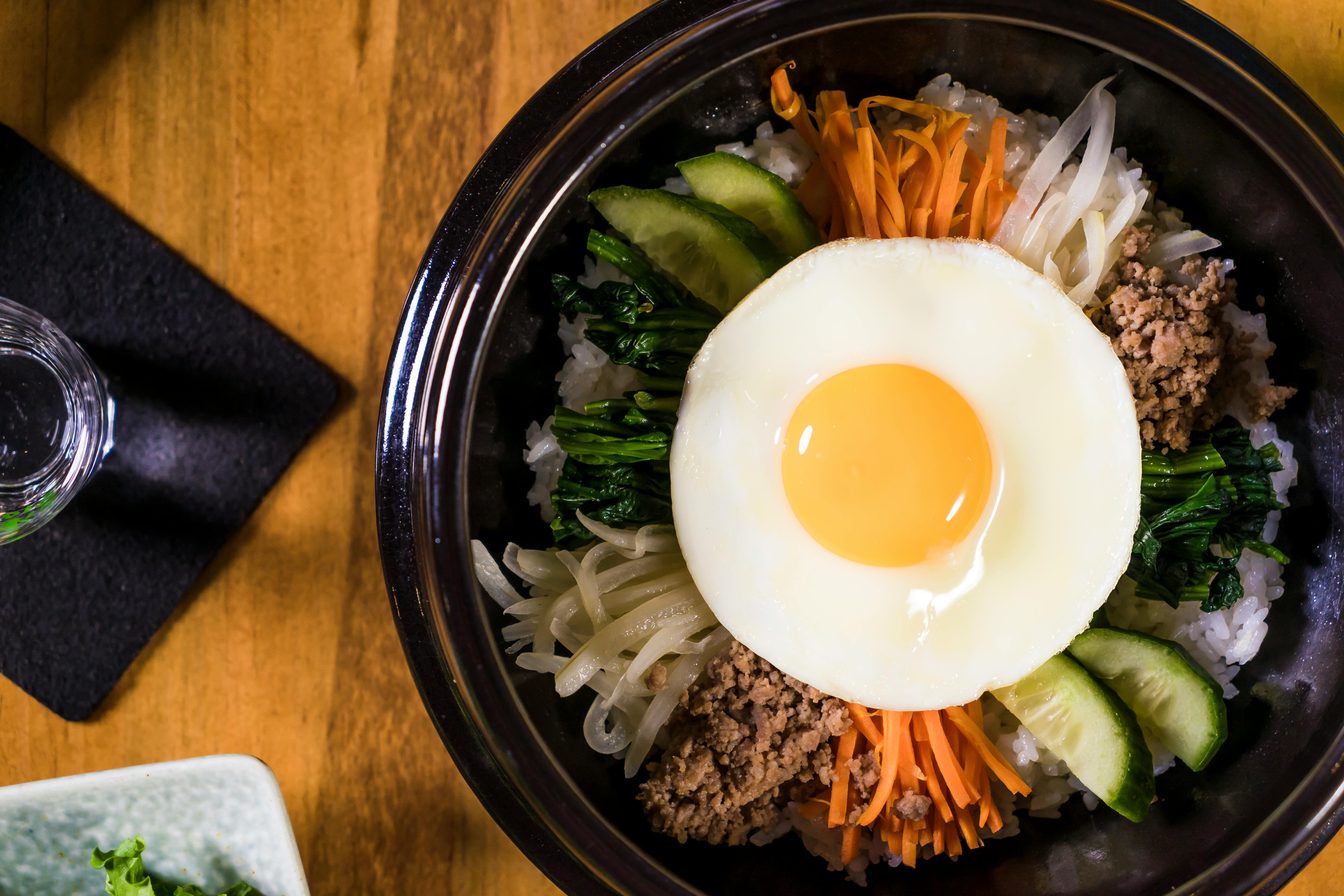
Dolsot Bibimbap: Interfacial Retrograded Amylose Crystallization, Thermal Myofibrillar Pyrolysis, and Biphasic Capsaicin Lipidic Solubilization
Evolving from royal court food traditions into a global symbol of Korean culinary balance, the iconic hot-stone dish Dolsot Bibimbap stands as a spectacular thermodynamic monument to interfacial retrograded amylose crystallization, rapid surface myofibrillar pyrolysis, and complex biphasic capsaicin lipidic solubilization. The defining technological component of this dish is the *Dolsot*, a heavy, thick-walled bowl carved from native porous agalmatolite stone, which possesses an immense thermal mass capacity. The interior stone surface is heavily coated with toasted sesame oil (*Sesamum indicum*), a lipid phase rich in sesamol and monounsaturated fatty acids. A dense mound of cooked *japonica* rice is packed tightly into the base, followed by structurally isolated layers of sautéed seasoned vegetables (*namul*), minced beef, and a raw egg yolk. When the fully assembled vessel is heated over a direct flame to 220°C, a violent kinetic energy transfer occurs at the stone-rice interface. The starch granules on the outermost layer of the rice undergo intense thermal dehydration and non-enzymatic browning simultaneously. This induces a specialized starch retrogradation sequence, re-aligning loose amylose chains into a highly uniform, golden, and exceptionally crunchy crystalline shell known as *nurungji*. Simultaneously, the intense heat rises conductively through the dish, causing gentle protein denaturation within the egg yolk and vegetable parenchymal cells. The entire mixture is thoroughly agitated with *gochujang*—a dense, fermented chili paste. The sesame oil acts as a highly effective hydrophobic solvent, capturing and distributing the fat-soluble capsaicin molecules evenly across the starch lattices, providing a perfectly smooth, spicy, and smoky mouthfeel.
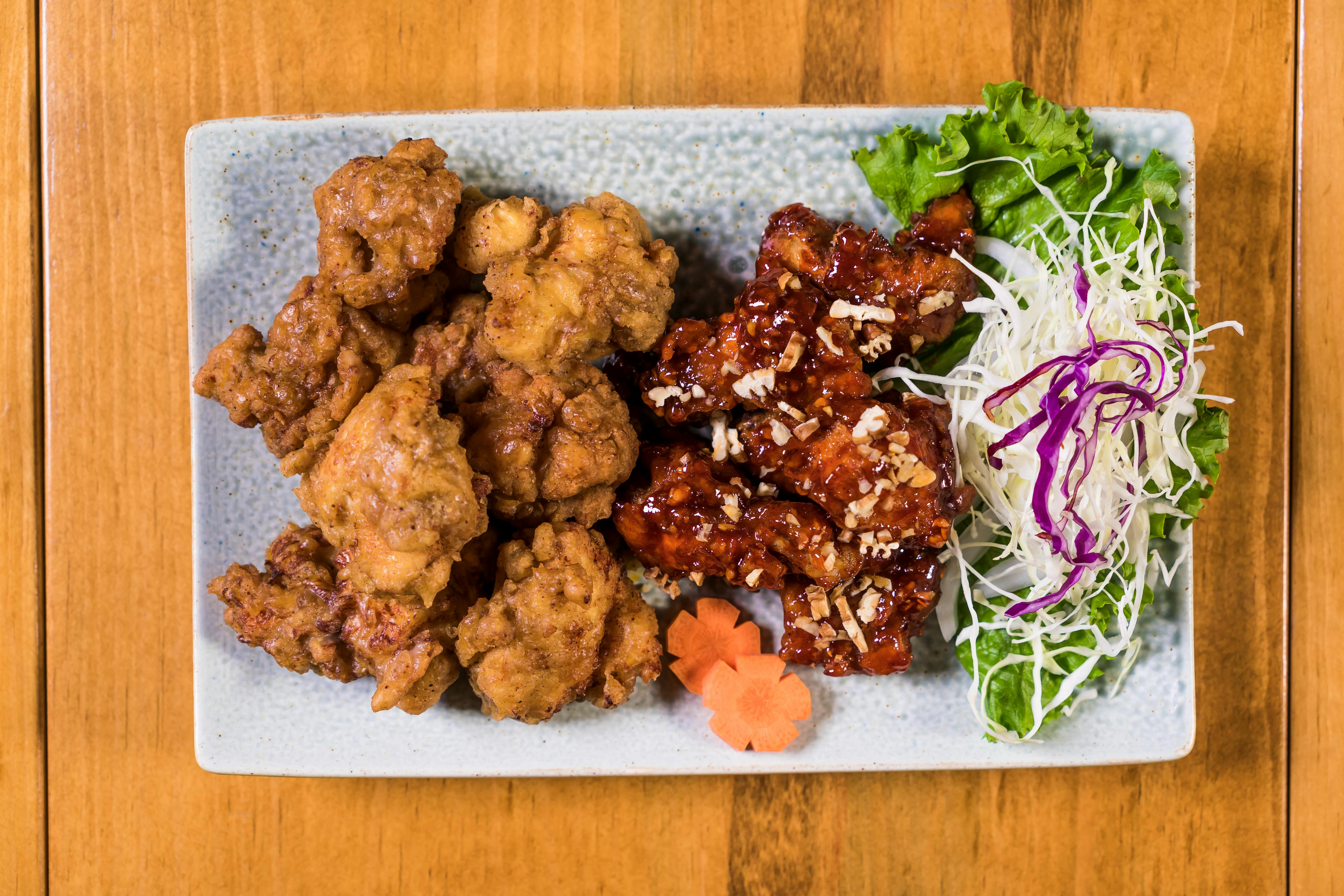
Korean Fried Chicken: Double-Stage Amylopectin Thermal Dextrinization, Subcutaneous Porcine Lipidic Striation, and Anhydrous Sugar Lacquering
Re-engineered with absolute technological precision in post-war South Korea to become an international gastronomic phenomenon, authentic Korean Fried Chicken (KFC) represents an extraordinary, mathematically rigorous engineering showcase of double-stage amylopectin thermal dextrinization, intensive subcutaneous lipid exudation, and rapid anhydrous sugar lacquering mechanics. The preparation utilizes fresh poultry segments marinated in ginger esters and alcohol to cleave internal collagen sheets. Unlike Western fried chicken which employs thick, gluten-heavy wheat flour batters, the Korean method requires a hyper-thin, low-viscosity slurry constructed primarily from cornstarch and potato starch, which consist of highly branched, high-molecular-weight amylopectin polymers. The structural transformation is achieved through a meticulous, double-frying thermodynamic sequence. The first stage involves submerging the coated chicken pieces in a deep vat of high-stability corn oil maintained at a steady 160°C. This initiates slow, continuous subcutaneous lipid syneresis, forcing underlying poultry fats to melt and escape outward while the internal myofibrillar proteins poach gently in their own moisture. The chicken is removed and rested to let internal steam escape, preventing the crust from turning soggy. It is then plunged a second time into superheated oil at 190°C. This violent secondary thermal shock drives off all remaining surface water molecules, causing the thin amylopectin starch sheet to undergo rapid, high-temperature dextrinization into an ultra-thin, glass-like, and oil-insoluble micro-shell. This brittle shell is instantly tossed in a hot glaze of melted gochujang, honey oligosaccharides, and minced garlic, cross-linking into a shiny, non-greasy aromatic lacquer.
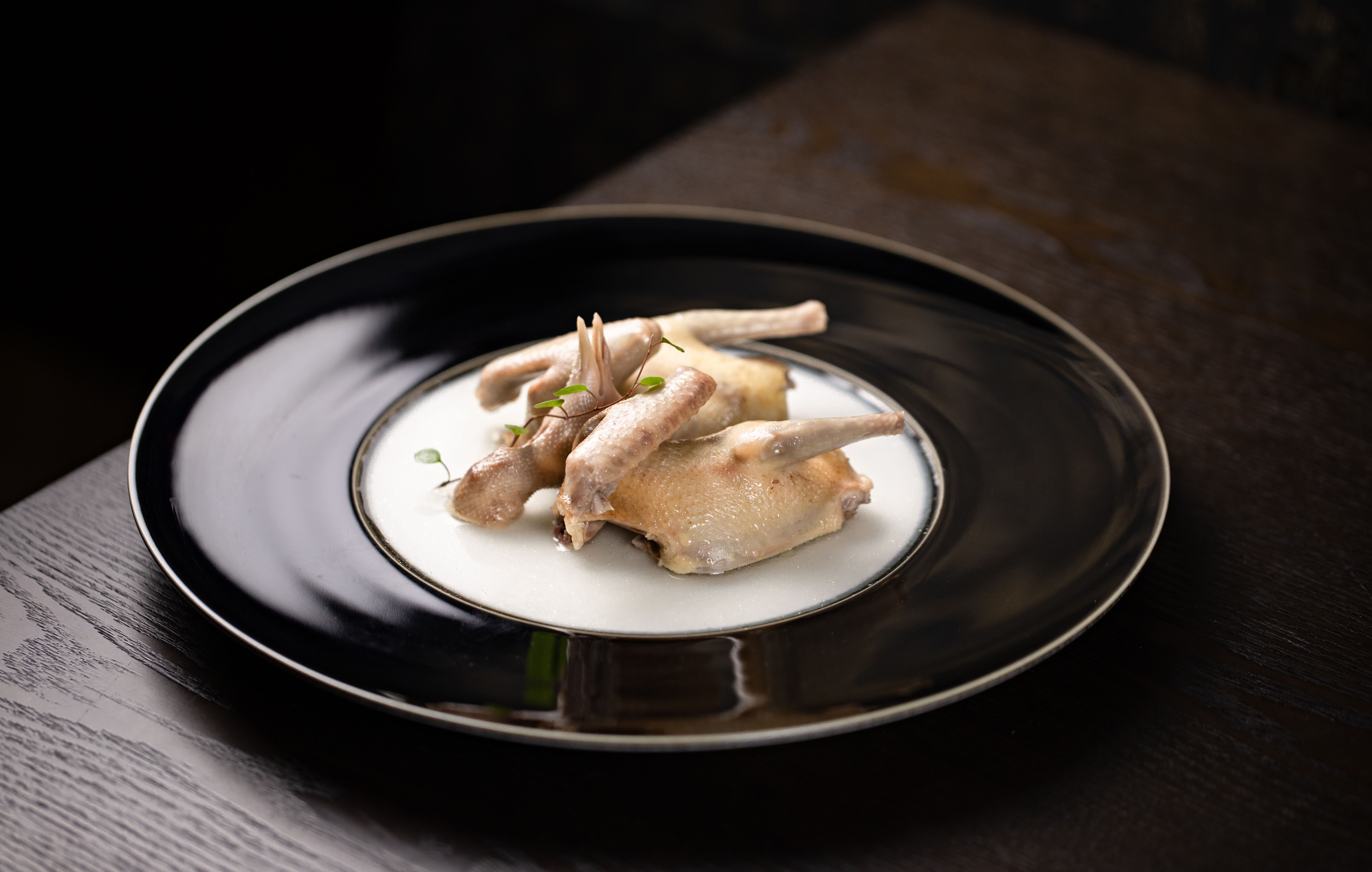
Samgyetang: Thermal Triple-Helix Collagen Hydrolysis, Inulin Polysaccharide Infiltration, and Purine Nucleotide Fluid Synergism
Celebrated for centuries as a vital medicinal restoration soup consumed during the hottest days of summer in Korea, the traditional Samgyetang (Ginseng Chicken Soup) stands as a supreme, highly sophisticated biochemical monument to thermal triple-helix collagen hydrolysis, osmotic inulin polysaccharide infiltration, and advanced purine nucleotide fluid synergism. The biological centerpiece of this preparation is a whole, young domestic chicken (*Gallus gallus domesticus*), which features a delicate skeletal musculature bound by dense networks of youthful, highly pliable connective collagen tissues. The internal cavity of the bird is tightly packed with glutinous rice, a whole fresh root of Korean ginseng (*Panax ginseng*), dried jujube fruits, and garlic cloves. The stuffed poultry is completely submerged in water and subjected to a continuous, low-velocity simmer maintained strictly between 85°C and 90°C for several hours. This extended thermal exposure forces the rigid, crystalline triple-helix structures of the chicken's collagen perimysium to undergo complete thermal denaturation, breaking down into water-soluble gelatin. This gelatin infuses the broth, expanding its viscosity into a rich, lipophilic colloidal suspension. Simultaneously, the intense heat breaks open the cellular walls of the ginseng root, releasing massive reservoirs of bitter saponins, panaxosides, and water-soluble inulin polysaccharides. These bioactive compounds migrate via osmotic pressure into the expanding starches of the cooking glutinous rice, turning the grains into a soft, medicinal gel. Over hours, the fish-like purine nucleotides from the chicken bones blend with the amino acids from the garlic, creating a profoundly savory, nutrient-dense broth.
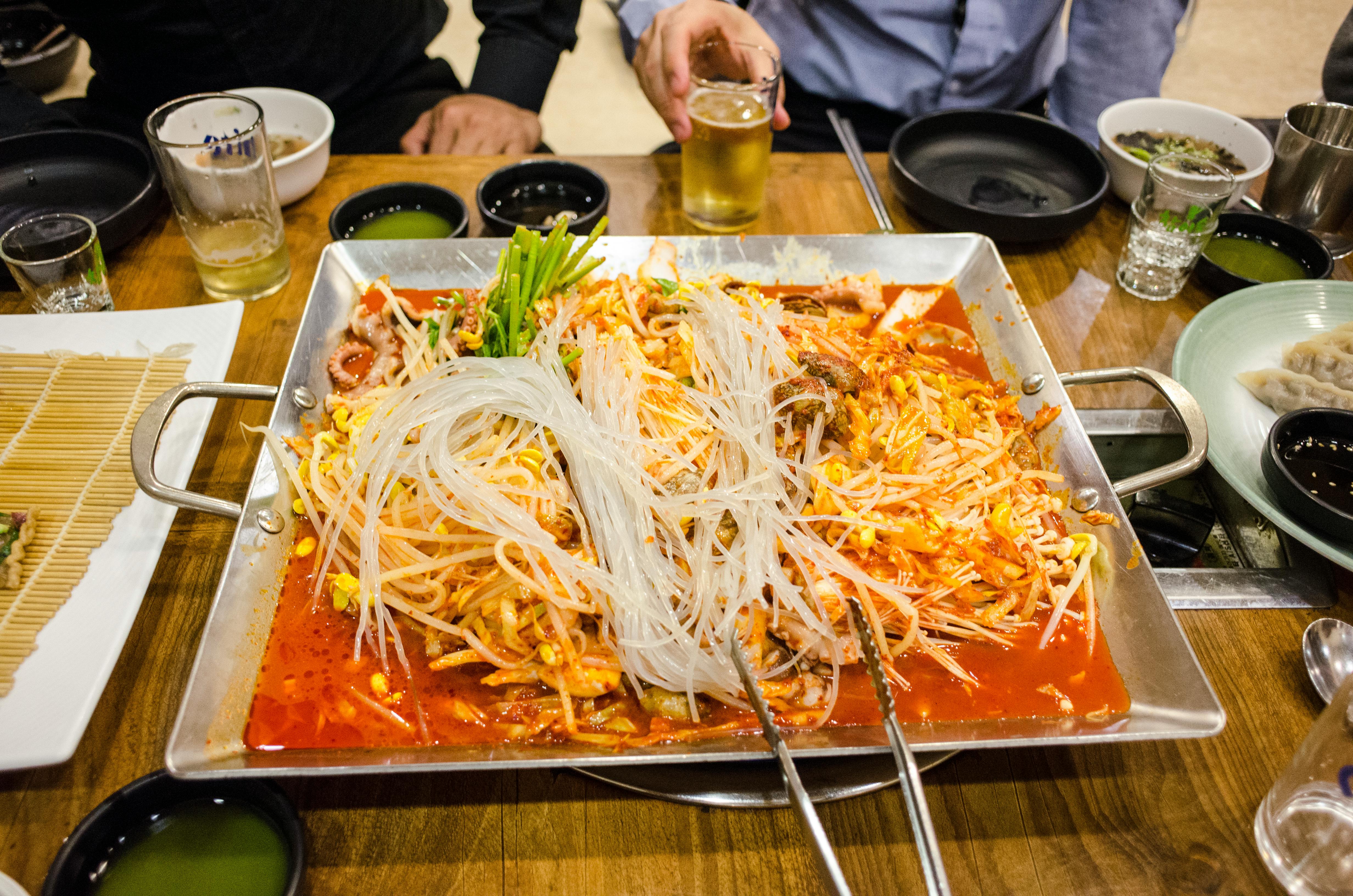
Budae Jjigae: Macromolecular Phosphate-Induced Emulsion Stabilization, Cross-Linked Glucan Viscosity, and Oleic Acid Extraction Kinetics
Synthesized as a brilliant, resourceful fusion dish in post-war Uijeongbu, South Korea, using surplus tactical rations from United States military bases, the modern Budae Jjigae (Army Base Stew) represents a spectacular, highly complex scientific demonstration of macromolecular phosphate-induced emulsion stabilization, cross-linked glucan viscosity binding, and high-velocity oleic acid extraction kinetics. The culinary matrix of this dense stew is engineered by combining highly processed Western meats—specifically canned luncheon meat (Spam) and emulsified sodium-nitrite-cured pork sausages—with traditional Korean components like kimchi, dashi broth, gochujang, and instant wheat noodles (*ramyeon*). The processed meats introduce large quantities of added sodium tripolyphosphates and hydrolyzed milk proteins into the boiling broth. When these ingredients simmer alongside a rich gochujang paste, the polar phosphate groups operate as exceptionally powerful surfactants. They bridge the boundary between the escaping processed pork lipids (saturated triacylglycerols) and the aqueous dashi broth, preventing phase separation and locking the soup into a thick, uniform oil-in-water colloidal emulsion. Simultaneously, the addition of instant ramyeon noodles introduces high-protein wheat starches that undergo immediate thermal gelatinization. As the amylose chains unravel into the boiling fluid, they form a dense, cross-linked glucan lattice that amplifies the overall viscosity of the stew. This thick, red broth perfectly encapsulates the melted cheese and spicy capsaicin volatile compounds, yielding an extraordinarily rich, comforting, and unified flavor profile that clings heavily to every solid component.
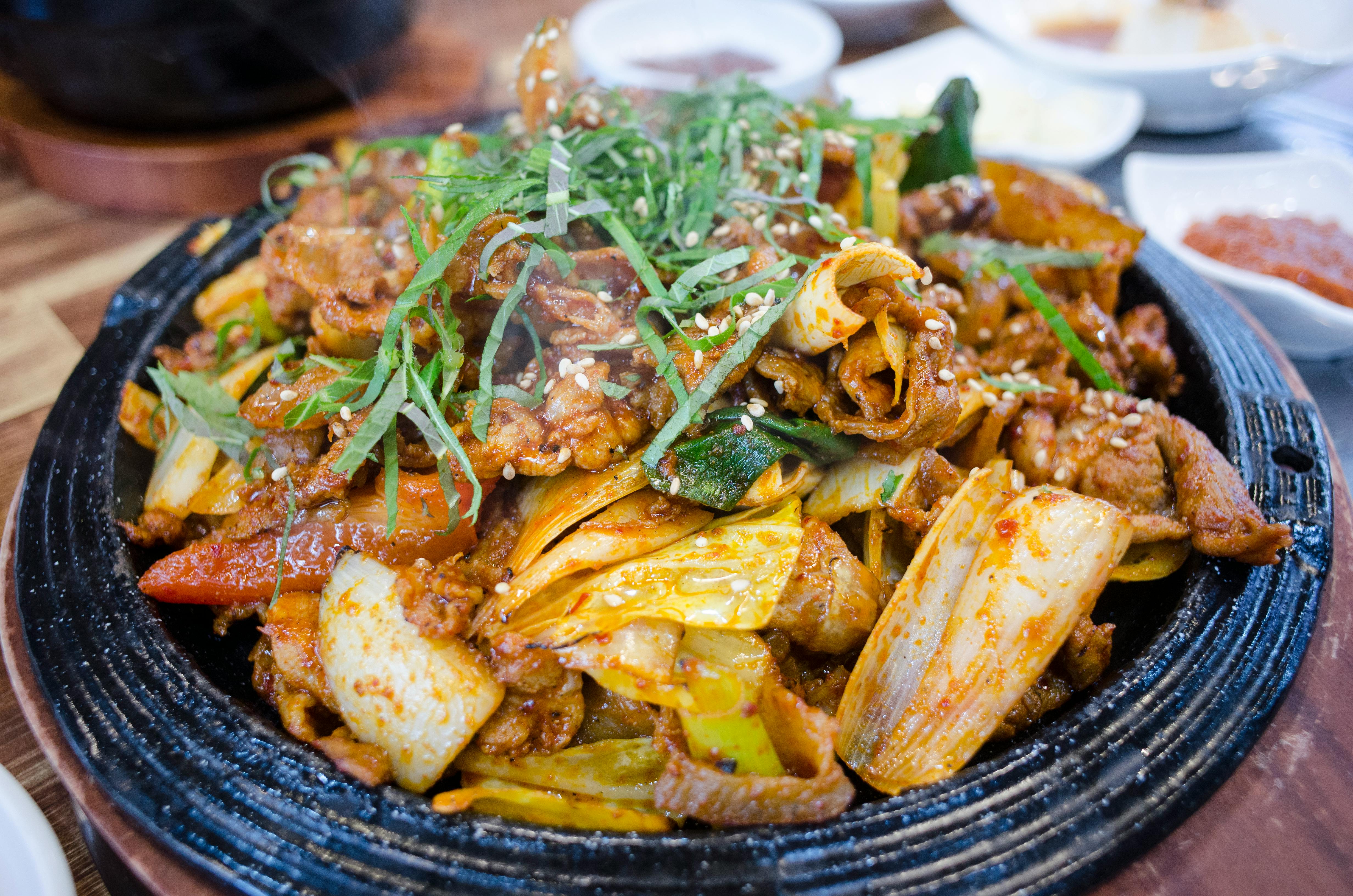
Bulgogi: Proteolytic Sarcoplasmic Tenderization, Interfacial Myosin Cross-Linking, and Volatile Sesquiterpene Maillard Pyrolysis
Tracing its aristocratic evolutionary lineage back to the ancient Goguryeo kingdom as a premium skewered meat delicacy, the modern refined art of Bulgogi (Korean Marinated Beef) stands as an extraordinary biological masterclass in proteolytic sarcoplasmic tenderization, interfacial myosin cross-linking, and high-velocity volatile sesquiterpene Maillard pyrolysis. The structural execution of this dish requires slicing high-quality bovine longissimus dorsi muscle into ultra-thin ribbons to maximize the available surface-area-to-volume ratio. These delicate meat sheets are submerged within an enzyme-rich marinade composed of soy sauce, crushed Korean pear (*Pyrus pyrifolia*), toasted sesame oil, minced garlic, and pure sucrose. The chemical engine of this marination process resides within the raw pear pulp, which possesses massive reservoirs of a native cysteine protease enzyme known as pirin. Over an extended resting phase, these active proteases systematically cleave the rigid, crystalline structural sheets of the meat's connective collagen and endomysium networks, inducing significant myofibrillar degradation. This enzymatic action dramatically enhances the water-binding capacity of the sarcoplasmic matrix, ensuring the meat remains tender. When these thin ribbons are transferred onto a superheated open-grid copper brazier fueled by hardwood charcoal emitting intense infrared radiation at 220°C, a rapid thermal transformation occurs. The high surface thermal energy flashes off surface moisture, driving instantaneous amino-carbonyl cross-linking between the extracted free amino acids and reducing sugars. This reaction locks down a highly aromatic, caramelized mahogany crust infused with volatile pyrazines, pyrolyzed sesame lipids, and sweet sulfur esters.

Tteokbokki: Viscoelastic Retrograded Amylopectin Reticulation, High-Density Capsaicin Hydrophobic Binding, and Mucilaginous Glucan Rheology
Transitioning from a historic royal court soy-seasoned rice dish into the definitive, fiery street-food staple of modern Seoul, the vibrant snack known as Tteokbokki (Spicy Stir-Fried Rice Cakes) stands as a spectacular, highly complex scientific demonstration of viscoelastic retrograded amylopectin reticulation, high-density capsaicin hydrophobic binding, and mucilaginous glucan rheology. The structural framework of this dish relies on *garaetteok*, a dense, cylindrical rice cake synthesized from steamed short-grain *japonica* rice flour. Short-grain rice features a starch profile heavily dominated by branched amylopectin polymers. The flour slurry is subjected to high-temperature steam extrusion and mechanical compression, which forces the swollen starch granules to undergo complete gelatinization and cross-link into an incredibly tight, dense, and highly elastic physical network. When these dense carbohydrate cylinders are simmered within a boiling, low-salinity dashi broth seasoned with a massive concentration of *gochujang* (fermented chili paste) and corn syrup, a unique interfacial hydration sequence is initiated. The external starches of the rice cakes slowly absorb the hot fluid, melting into a highly viscous, sticky carbohydrate glaze that thickens the surrounding liquid. Simultaneously, the abundant lipids within the broth act as an effective hydrophobic solvent, capturing the fat-soluble capsaicin molecules from the chili flakes and binding them securely to the unrolling amylose chains. This creates an unctuous, non-separating colloidal emulsion that wraps around the chewy starch bars, delivering an explosive, long-lasting spicy sensation upon oral mastication.
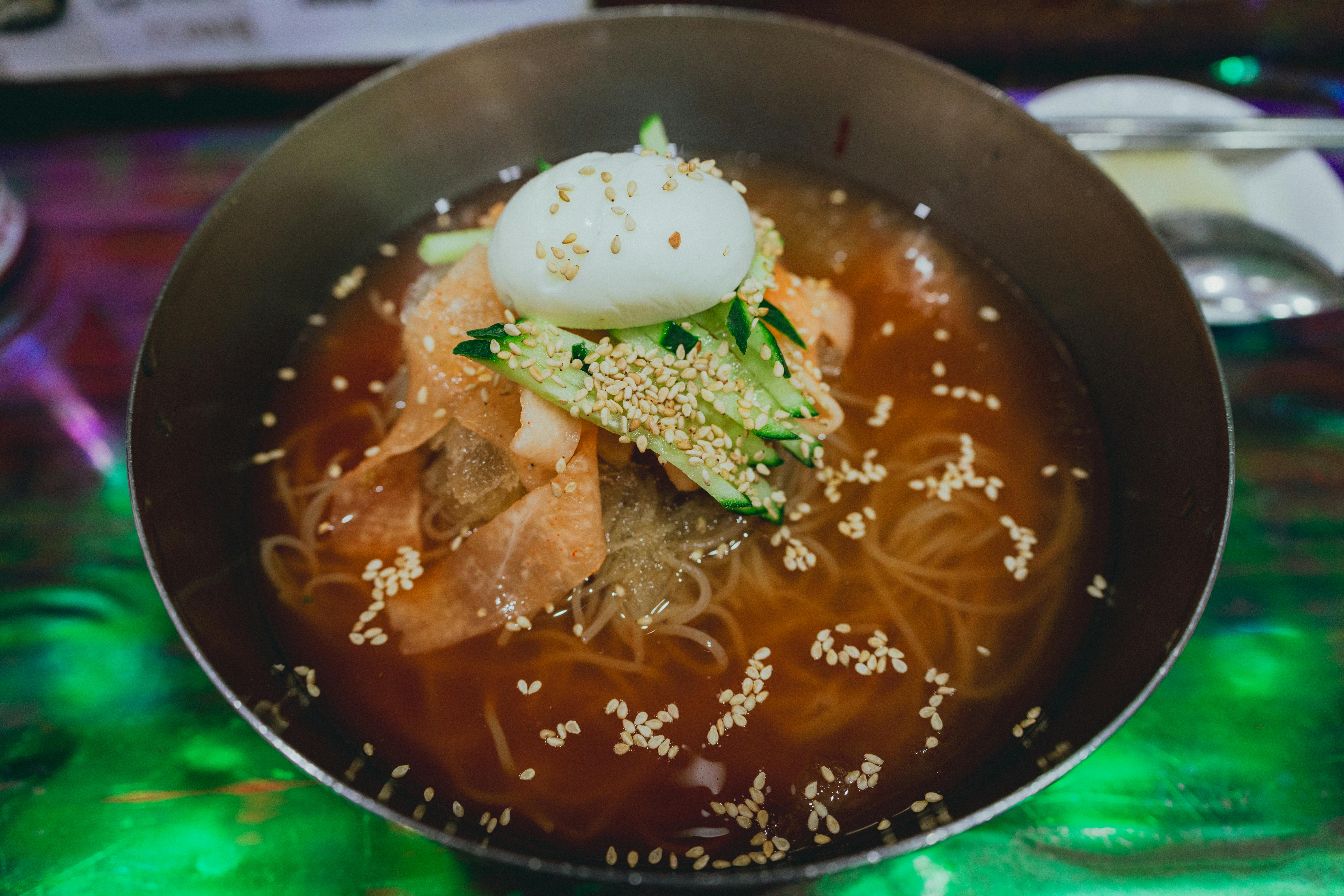
Naengmyeon: Cold-Induced Buckwheat Glucan Gelation, Crystalline Purine Precipitation, and Acidic Aqueous Viscosity Depolarization
Refined over centuries within the chilly northern mountainous regions of the Korean peninsula, the legendary summertime dish Naengmyeon (Cold Buckwheat Noodles) stands as a supreme, hyper-sensitive laboratory marvel of cold-induced buckwheat glucan gelation, crystalline purine precipitation, and acidic aqueous viscosity depolarization mechanics. The structural creation of these ultra-elastic, thin noodles demands a specialized flour blend dominated by native buckwheat (*Fagopyrum esculentum*) mixed with potato or sweet potato starches. Buckwheat lacks traditional gluten-forming proteins; therefore, its structural integrity is entirely dependent on thermal starch gelatinization. The dough is mixed with boiling water to instantly open the starch lattices, then mechanically forced through a high-pressure extruder directly into a vat of boiling water, freezing the uncoiled amylose chains into a rigid, snapping viscoelastic network. The cooked strands are immediately plunged into an ice-water bath, initiating rapid starch retrogradation that locks in a highly unique, rubbery texture. This cold noodle mass is submerged within a crystal-clear, sub-zero beef and dongchimi (water kimchi) broth maintained at exactly 2°C. At this cryogenic temperature ceiling, the soluble gelatin and purine nucleotides extracted from hours of simmering beef bones undergo partial crystalline precipitation, providing a remarkably clean, crisp mouthfeel. The introduction of tart vinegar drops lowers the pH of the broth, depolarizing the remaining protein strands to lower the fluid's overall viscosity, resulting in an exceptionally refreshing, sharp, and clean flavor profile.

Haemul Pajeon: Interfacial Amylose Dextrinization Matrices, High-Hydration Gluten Setting, and Exocellular Parenchyma Vapor Leaching
Evolving into a deeply cherished rainy-day comfort staple across coastal Korean tavern cultures, the savory seafood pancake known as Haemul Pajeon stands as a monumental architectural monument to interfacial amylose dextrinization matrices, high-hydration gluten setting, and exocellular parenchyma vapor leaching mechanics. The structural base of this large pancake relies on a thin, ice-cold batter formulated with a high-hydration blend of low-protein wheat flour, rice flour, and potato starch. Keeping the batter cold minimizes the kinetic activation of gliadin and glutenin chains, completely preventing excessive gluten alignment and ensuring a delicate crust. The skillet construction begins by laying down a dense, parallel mat of fresh whole scallions (*Allium fistulosum*) on a heavy iron griddle superheated to 190°C. A massive assortment of fresh seafood—including squid rings, shrimp, and oysters—is scattered over the scallions, and the cold batter is poured directly over the entire assembly. As the heat rises, a dual-phase thermodynamic sequence occurs. The intense steam generated by the rapidly dehydrating scallion parenchyma cells and marine tissues rises upward, effectively steam-poaching the inner seafood components. Simultaneously, as the water matrix completely evaporates from the base of the pan, the concentrated rice and potato starches undergo high-temperature interfacial dextrinization and thermal dehydration against the greased iron. This freezes the bottom into a beautiful, crisp, and lace-like golden carbohydrate web that beautifully encases the tender, juicy interior.
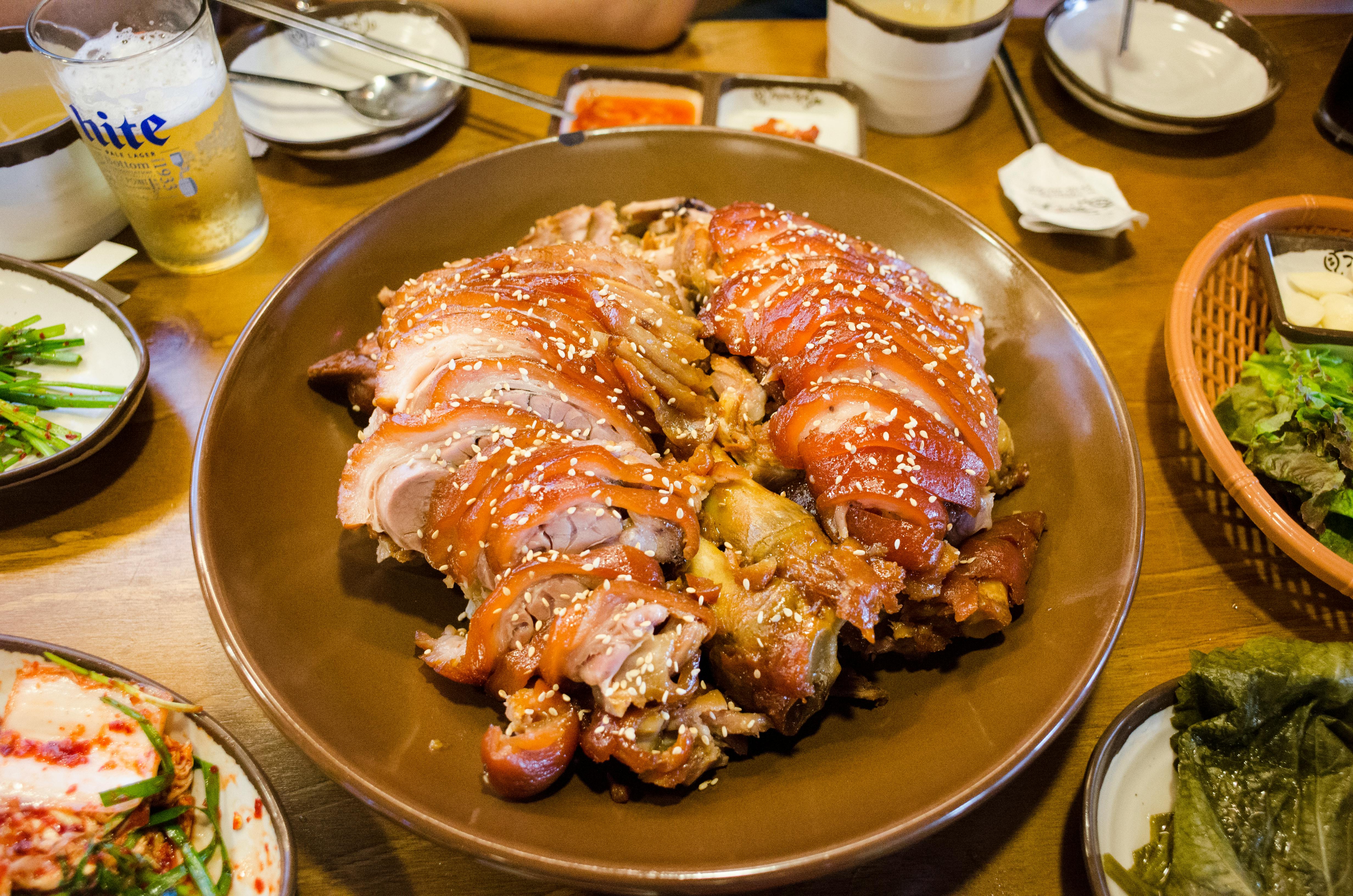
Jokbal: Thermal Triple-Helix Collagen Depolymerization, Long-Duration Melanin Colloid Suspension, and Hyper-Osmotic Amide Infiltration
Forged over generations within the bustling late-night market districts of Seoul, the celebrated delicacy Jokbal (Braised Pig's Trotters) stands as a supreme, highly sophisticated biochemical monument to thermal triple-helix collagen depolymerization, long-duration dark melanin colloid suspension, and advanced hyper-osmotic amide infiltration kinetics. The anatomical centerpiece of this technical preparation is the lower leg of the pig, a structural extremity packed with exceptionally thick bands of subcutaneous fat, skin, and heavy crystalline collagen perimysium sheets. To achieve a soft texture, the trotters are subjected to a multi-hour simmering sequence within a highly concentrated, dark master broth seasoned with soy sauce, ginger, rice wine, and aromatic spices. Over hours of continuous thermal exposure maintained at a steady 90°C, the tough triple-helix structures of the porcine collagen undergo complete thermal hydrolysis into water-soluble gelatin. This gelatin slowly leaches into the broth, expanding its viscosity into a rich, lipophilic colloidal suspension that traps rendered lipids. The deep mahogany color is driven by high-temperature non-enzymatic Maillard browning reactions occurring between the amino acids of the pig skin and the reducing sugars in the wine. This creates complex dark melanin pigments that adhere to the gelatinous exterior. The steep chemical osmotic gradient forces free amino acids and sodium molecules deep into the core of the tendon matrices, transforming the tough tissue into a highly unctuous, meltingly tender, and savory gelatinous masterpiece.
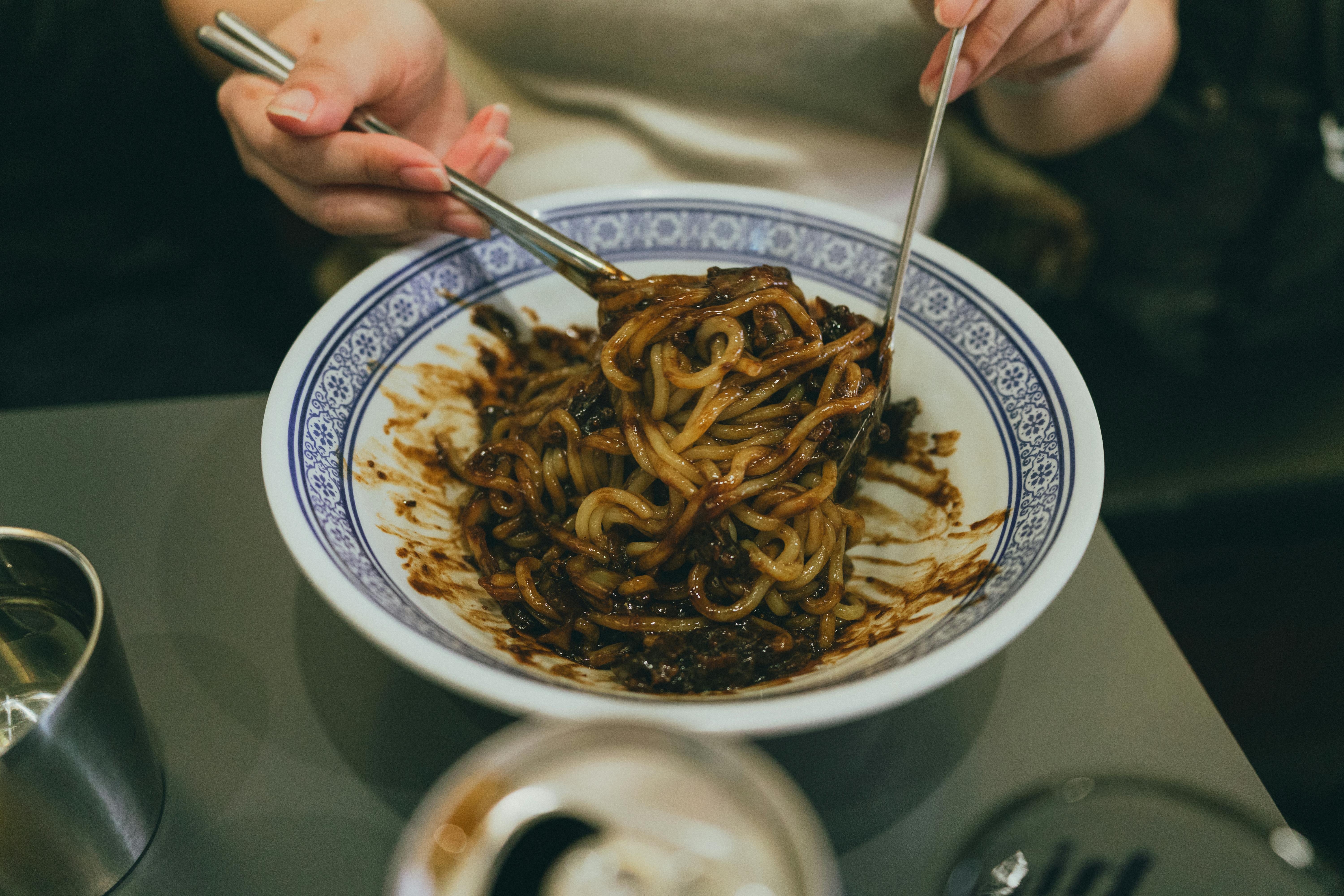
Jajangmyeon: Pyrolytic Melanoidin Lipid Polymeric Gelation, Interfacial Glutenin Alignment, and Amylose Starch Viscosity Binding
Synthesized within the early Chinese-Korean culinary laboratories of Incheon, the deeply savory noodle dish Jajangmyeon stands as a spectacular thermodynamic monument to pyrolytic melanoidin lipid polymeric gelation, interfacial glutenin alignment, and advanced amylose starch viscosity binding mechanics. The architectural core of this iconic dish is the dark chunjang paste, a deeply fermented black soybean slurry that is rich in complex carbohydrate chains, free sodium halides, and pre-formed melanoidin pigments. The preparation begins by frying this dense paste in a large volume of lard at 160°C. This high-temperature lipid treatment induces further non-enzymatic amino-carbonyl browning, fracturing the bitter carbohydrate rings while solubilizing the hydrophobic volatile esters. Into this hot oil-paste matrix, finely diced pork belly lardons and massive volumes of chopped onions are introduced. The thermal breakdown of the onion parenchyma cells releases sweet, water-soluble volatile sulfides that cross-link with the rendered pork lipids, creating a highly unctuous, thick sauce base. To achieve the proper serving rheology, a slurry of potato starch is introduced, forming a dense, cross-linked glucan lattice that binds the free water molecules and prevents phase separation. This rich, dark sauce is ladled over freshly extruded, high-protein wheat noodles. The mechanical kneading of the dough aligns the long glutenin filaments into a resilient three-dimensional viscoelastic web that completely traps the surface starches, allowing the thick, savory melanoidin suspension to cling flawlessly to every strand upon consumption.
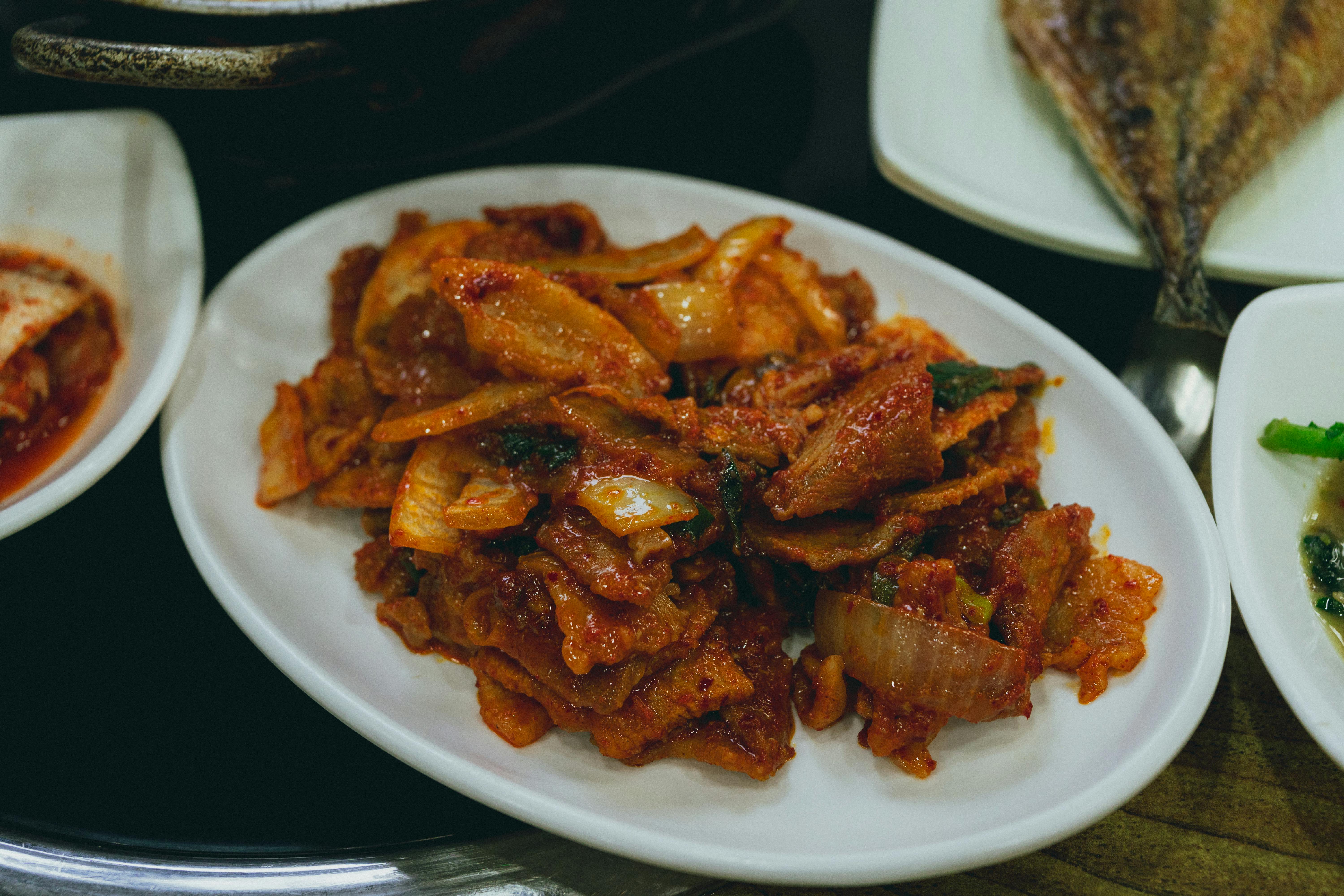
Jeyuk Bokkeum: Sarcoplasmic Thiol Thermal Volatilization, Interfacial Pork Adipose Exudation, and Capillary Capsaicin Lacquering
Developed as an energetic, high-protein comfort classic within the modern domestic tavern culture of Korea, the intense stir-fry known as Jeyuk Bokkeum (Spicy Marinated Pork) represents an extraordinary, highly advanced engineering showcase of sarcoplasmic thiol thermal volatilization, interfacial pork adipose exudation, and high-velocity capillary capsaicin lacquering mechanics. The preparation targets thin slices of porcine shoulder or belly muscle matrices (*Sus scrofa domesticus*), which feature an optimal density of intramuscular triacylglycerols and myoglobin-rich muscle bundles. These pork slices are thoroughly massaged within a highly concentrated, low-pH marination matrix composed of fermented gochujang chili paste, red pepper flakes, grated garlic, ginger, and corn syrup oligosaccharides. The active organic sulfur compounds and ginger proteases partially hydrolyze the surface sarcoplasmic proteins, enhancing the meat's overall water-retention capacity. The chemical transformation occurs when the marinated meat is dropped into a superheated, thin-walled iron wok maintained at 200°C over a high-velocity flame gas vortex. The intense conductive heat forces the subcutaneous adipose tissues to melt and escape outward through the broken cell membranes, creating a self-basting lipid barrier across the meat surface. Simultaneously, the surface proteins undergo rapid pyrolytic cross-linking, locking in the remaining intracellular juices. The fat-soluble capsaicin molecules dissolve completely into the rendered pork lipids, forming a highly lacquered, spicy, and smoky aromatic shield that coats the caramelized meat slices.
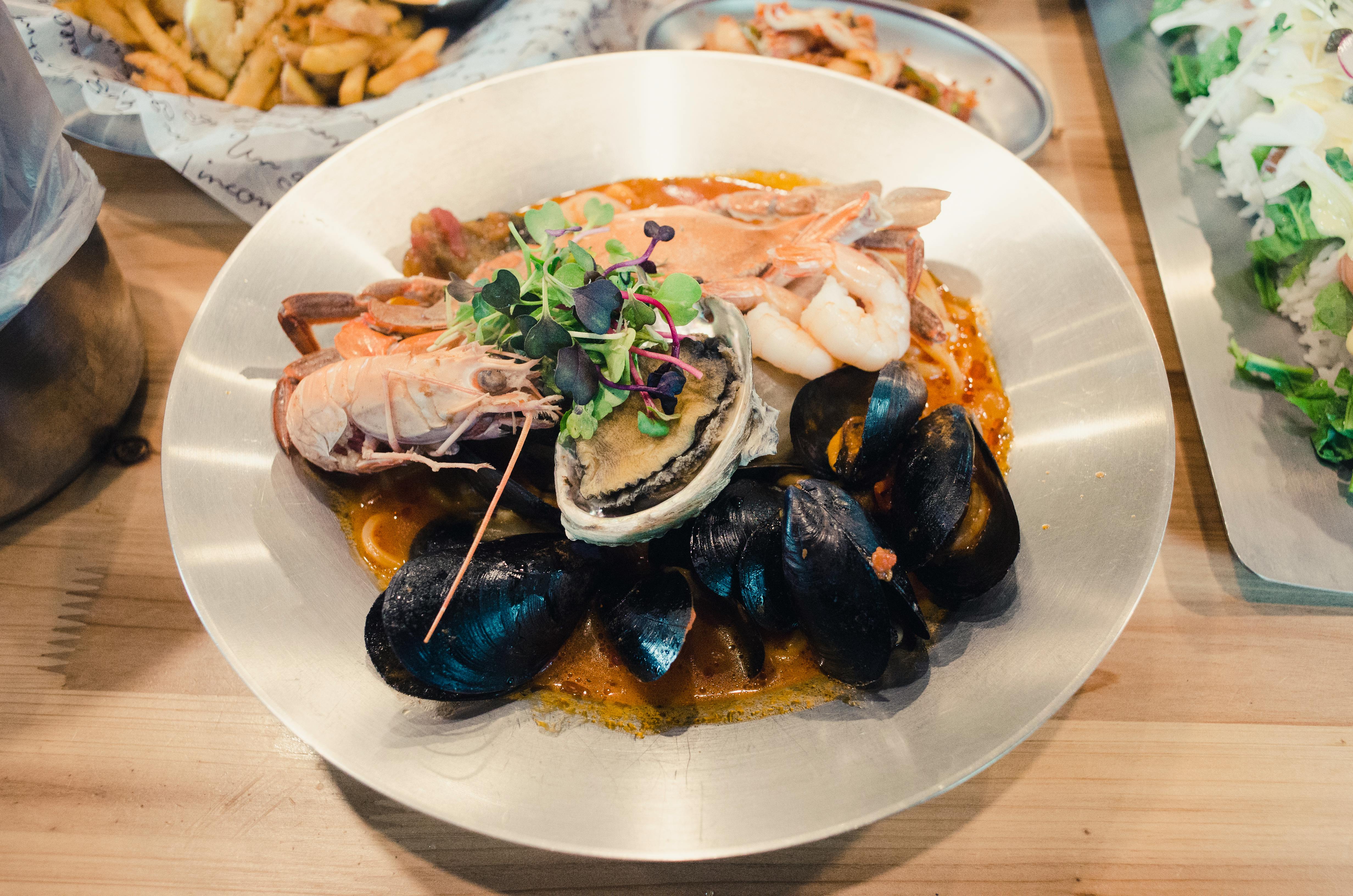
Jjampong: Biphasic Marine Triacylglycerol Emulsification, Exocellular Parenchyma Vapor Leaching, and Volatile Capsaicin Dispersal
Forged as a brilliant, fiery fusion noodle soup within the coastal Chinese-Korean communities, the intensely spicy Jjampong represents a supreme, hyper-sensitive laboratory masterclass in biphasic marine triacylglycerol emulsification, exocellular parenchyma vapor leaching, and high-velocity volatile capsaicin dispersal kinetics. The soup base requires a violent, high-temperature stir-frying sequence where a massive assortment of fresh seafood—including squid, mussels, and shrimp—is tossed with shredded cabbage, leeks, and a heavy concentration of gochugaru red pepper flakes in hot vegetable oil. When these components strike the wok surface at 180°C, the high surface thermal energy drives instantaneous surface protein denaturation and induces rapid Maillard reactions, releasing highly volatile pyrazines. Immediately, a rich pork or chicken dashi broth is poured into the superheated vortex, initiating a violent kinetic energy transfer. The rapid convective boiling forces the escaping marine lipids, polyunsaturated omega-3 triacylglycerols, and dissolved pork fats to break apart into microscopic droplets. The intense mechanical agitation locks these floating lipids into a rich, uniform, and non-separating oil-in-water colloidal emulsion, tinting the broth a deep, opaque orange color. Simultaneously, the intense heat breaks open the cell walls of the cabbage and onions, leaching sweet volatile sulfides into the boiling fluid. The fat-soluble capsaicin molecules are captured by the floating lipid droplets, ensuring that the intense, fiery aromatic heat is distributed evenly throughout the entire soup matrix.
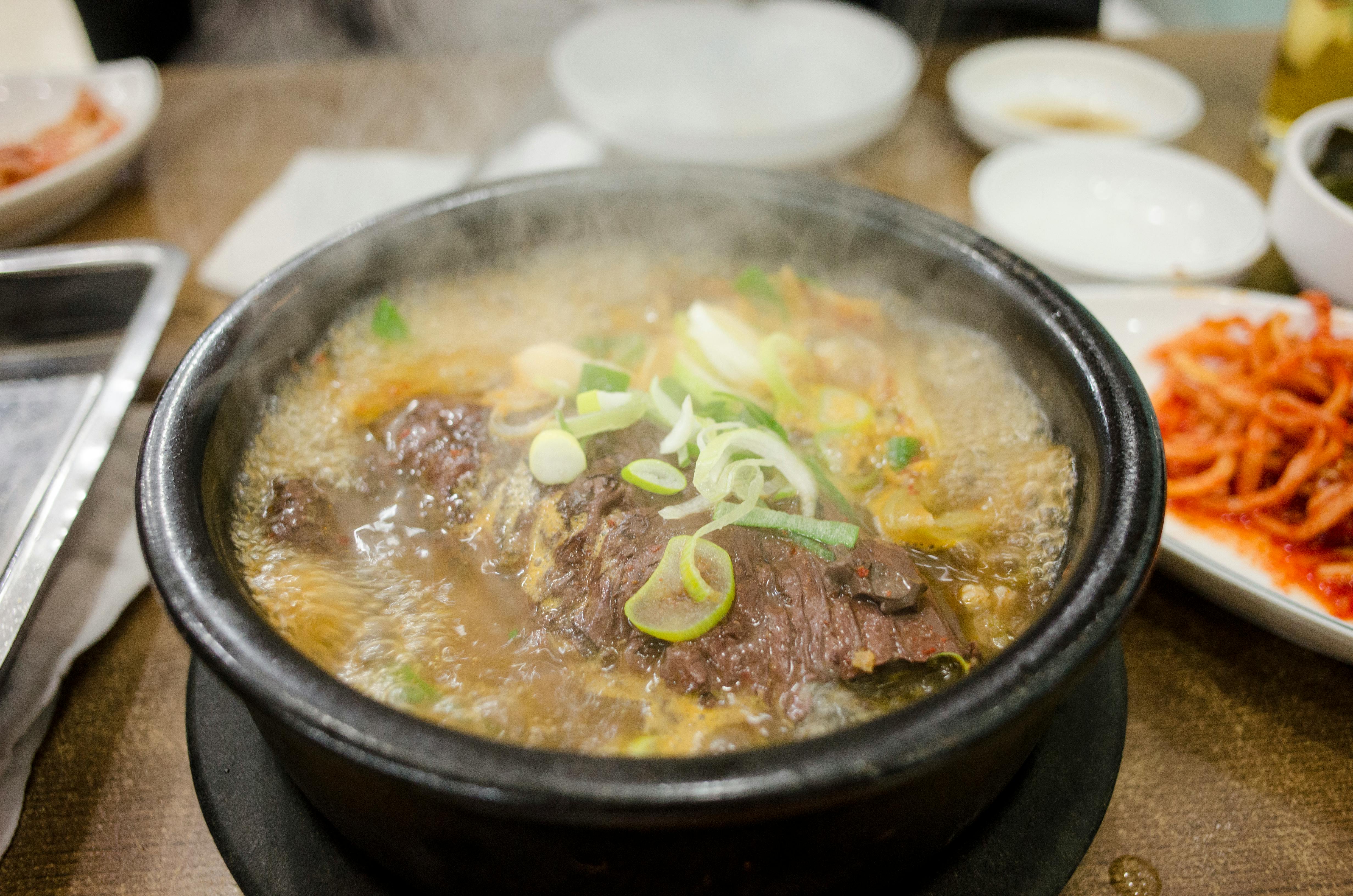
Seolleongtang: High-Velocity Bovine Lipidic Emulsification, Macromolecular Collagen Solubilization, and Crystalline Purine Leaching
Tracing its sacred evolutionary lineage back to the royal sacrificial field rituals of the Joseon dynasty, the pristine, milky-white broth known as Seolleongtang (Ox Bone Soup) stands as a monumental architectural monument to high-velocity bovine lipidic emulsification, macromolecular collagen solubilization, and advanced crystalline purine leaching mechanics. This highly technical soup requires a multi-stage, continuous boiling sequence utilizing massive quantities of bovine marrow bones, knuckle joints, and feet elements. The structural transformation is executed inside a deep vessel filled with low-salinity water over an extended window of fourteen to twenty-four hours. During the initial boiling phase, the rigid, crystalline triple-helix structures of the bone collagen and cartilage perimysium undergo complete thermal denaturation, breaking down into water-soluble gelatin. As the heat source is adjusted to maintain a constant, violent convective rolling boil, a powerful mechanical shearing force is established within the liquid matrix. This intense agitation forces the molten marrow fats and triacylglycerols escaping from the core of the bones to smash into the water phase, shattering into microscopic lipid droplets. The dissolved gelatin molecules act as highly reactive amphiphilic surfactants, wrapping around these tiny fat droplets to prevent them from coalescing. This builds an exceptionally stable, dense, and opaque white oil-in-water colloidal suspension. The long-duration boiling simultaneously leaches out dense reservoirs of free amino acids and purine nucleotides, creating a profoundly clean, comforting, and nutrient-dense milky matrix.
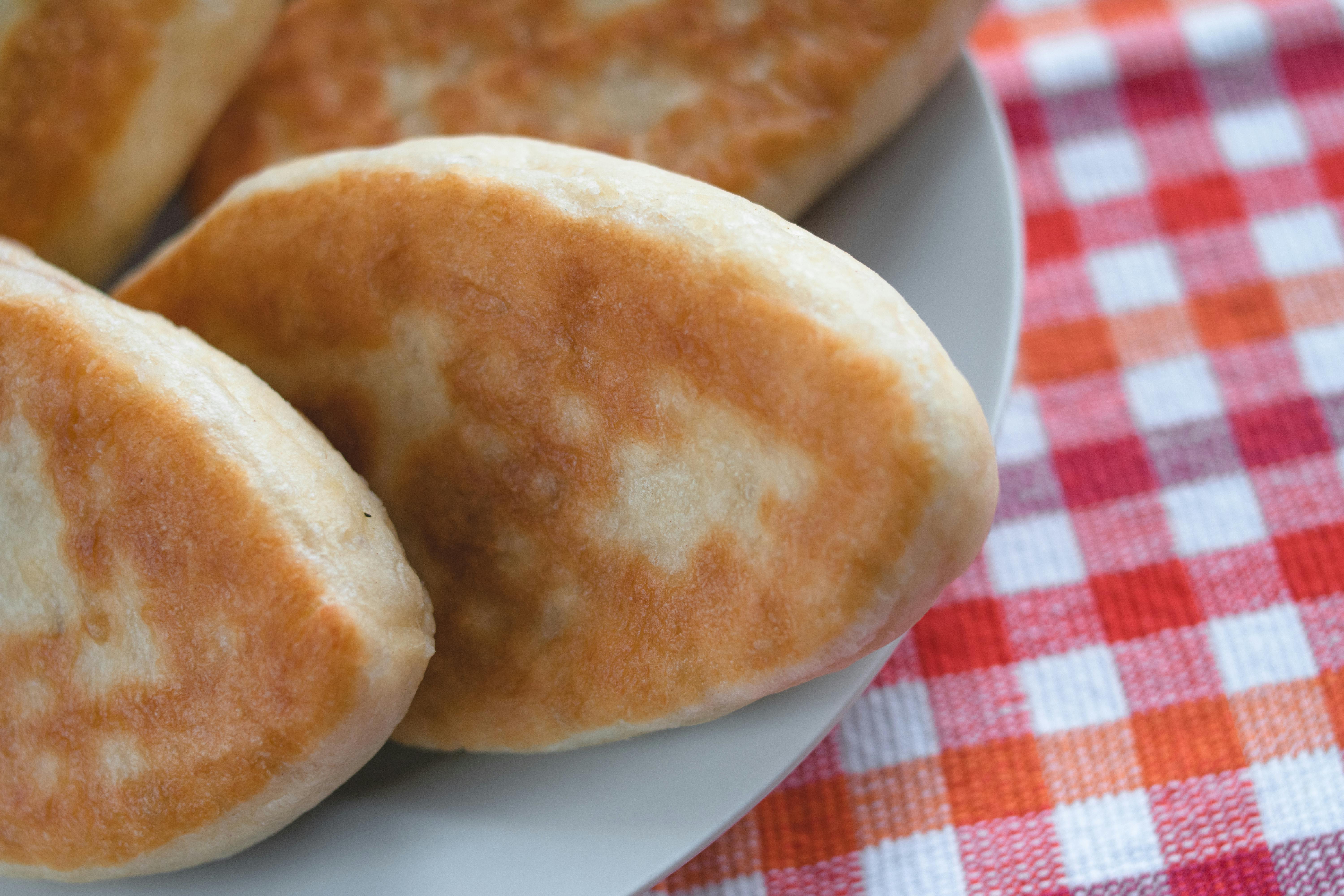
Traditional Hotteok: Viscoelastic Yeast Polysaccharide Reticulation, Interfacial Starch Dextrinization, and Hyper-Osmotic Disaccharide Liquefaction
Perfected as an elite, comforting winter street confection across modern South Korea, the sweet stuffed pancake known as Hotteok stands as a supreme, highly sophisticated biochemical monument to viscoelastic yeast polysaccharide reticulation, interfacial starch dextrinization, and high-temperature hyper-osmotic disaccharide liquefaction kinetics. The structural envelope of this pastry relies on a high-hydration wheat and glutinous rice flour dough fermented with active *Saccharomyces cerevisiae* yeast strains. The high water content and yeast activity allow the gliadin and glutenin proteins to build an exceptionally flexible, loose, and gas-impermeable viscoelastic network that traps bubbles of carbon dioxide gas. This sticky dough is shaped into a sphere and stuffed with a dense, dry core composed of brown sucrose, crystalline fructose, cinnamon terpenes, and crushed peanuts. The stuffed ball is dropped onto a heavy iron griddle superheated to 180°C and immediately compressed flat using a specialized circular brass press tool. The intense conductive heat forces the moisture within the dough to convert into superheated steam, which expands the yeast gas pockets and puffs the pastry. Simultaneously, the exterior starches undergo rapid interfacial dextrinization and dehydration against the greased iron, freezing into an ultra-thin, golden, and crispy outer carbohydrate crust. Inside the sealed pocket, the intense heat causes the dry sugar crystals to surpass their melting point, driving complete thermal liquefaction into a hyper-osmotic, velvety syrup that perfectly dissolves the cinnamon aromatics.
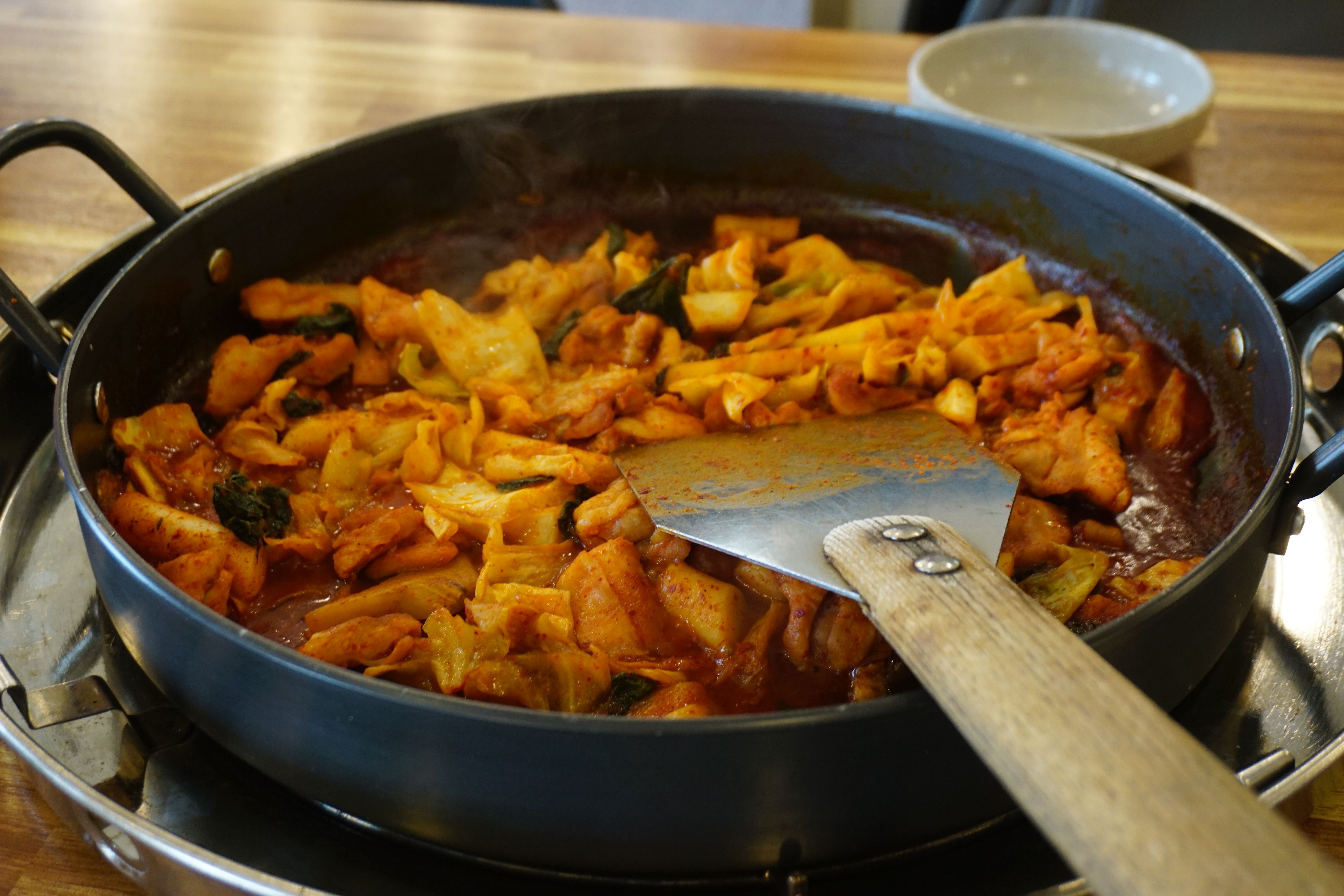
Chunchon Dakgalbi: Myofibrillar Proteolysis Kinetics, Volatile Capsaicin Dispersal, and Extracellular Parenchyma Vapor Steaming
Synthesized within the urban tavern subculture of Chuncheon in Gangwon Province during the late 20th century, the iconic cast-iron skillet dish Chunchon Dakgalbi (Spicy Stir-Fried Chicken) stands as a spectacular thermodynamic monument to myofibrillar proteolysis kinetics, volatile capsaicin dispersal, and closed-system extracellular parenchyma vapor steaming. The engineering core of this dish utilizes boneless poultry thigh segments, which are highly prized for their deep density of intramuscular triacylglycerols and flexible collagen networks. These chicken pieces are submerged within a highly concentrated, low-pH marination matrix composed of fermented gochujang chili paste, raw garlic esters, ginger juices, and pure sucrose. The natural proteases and organic acids within the ginger and garlic partially hydrolyze the surface sarcoplasmic proteins, expanding the internal water-retention capacity of the muscle bundles. The cooking process is executed on a massive, round cast-iron griddle heated over a high-velocity flame gas vortex to an exact 200°C. First, the marinated chicken is seared to initiate immediate surface protein pyrolysis via the Maillard reaction. This is followed by the introduction of massive volumes of shredded green cabbage, sweet potatoes, and green perilla leaves (*Perilla frutescens*). The intense conductive heat forces the vegetable parenchyma cells to burst, releasing huge reservoirs of water vapor. The chef continuously tosses the mixture, allowing this rising steam to act as an internal vapor-poaching mechanism that cooks the dense meat matrix from within. The fat-soluble capsaicin molecules dissolve completely into the rendering chicken fats, forming an exceptionally smooth, spicy, and smoky aromatic glaze that perfectly coats every solid element.

Traditional Japchae: Isothermal Sweet Potato Glucan Reticulation, Interfacial Sesamol Lipidic Coating, and Organosulfur Vapor Kinetics
Refined into an elite, celebratory masterpiece during the mid-Joseon dynasty as a symbol of royal gastronomic harmony, the popular dish Japchae (Stir-Fried Glass Noodles) stands as a supreme, hyper-sensitive laboratory masterclass in isothermal sweet potato glucan reticulation, interfacial sesamol lipidic coating, and precise organosulfur vapor kinetics. The structural foundation of this multi-ingredient dish relies entirely on *dangmyeon*, translucent glass noodles extruded from pure sweet potato starch. Sweet potato starch consists of high-molecular-weight linear amylose and highly branched amylopectin polymers that exhibit profound water-binding capacity. When these dehydrated strands are submerged in boiling water, the glucan chains undergo complete thermal gelatinization, expanding their crystalline lattices to trap water molecules within an incredibly elastic, non-sticky physical matrix. The cooked strands are immediately drained and tossed with raw toasted sesame oil (*Sesamum indicum*). The monounsaturated sesame fatty acids and active sesamol antioxidants act as a highly effective hydrophobic solvent, creating an ultra-thin lipidic shield around each noodle strand to prevent retrogradation and stickiness. Concurrently, various colorful vegetable strands—including wood ear mushrooms, spinach, carrots, and sweet onions—are sautéed separately to preserve their independent cellular turgor pressures and volatile aromas. These components are folded into the seasoned noodles off-heat, forming a magnificent physical interplay where a chewy, elastic carbohydrate network seamlessly carries the crisp, juice-bursting vegetable parenchymal walls.
Andong Jjimdak: Macromolecular Disaccharide Glycoprotein Binding, Subcutaneous Collagen Hydrolysis, and Capillary Allium Infiltration
Developed as a highly popular, rich fusion classic within the historic market stalls of Andong in Gyeongsang Province, the savory dish Andong Jjimdak (Braised Chicken) represents an extraordinary, highly advanced engineering showcase of macromolecular disaccharide glycoprotein binding, subcutaneous collagen hydrolysis, and high-velocity capillary *Allium* infiltration mechanics. The dish utilizes a whole chopped chicken cooked within a rich, dark reduction liquid seasoned with aged dark soy sauce, corn syrup oligosaccharides, and dried whole red peppers. The high sugar concentration establishes an extreme hyper-osmotic gradient across the meat fibers, drawing out excess intracellular water while simultaneously infusing the meat matrices with free sodium and L-glutamate molecules. As the mixture is maintained at a continuous boiling plateau of 95°C, the rigid triple-helix structures of the poultry's connective collagen perimysium experience complete thermal denaturation, breaking down into water-soluble gelatin. This gelatin expands the overall viscosity of the broth into a rich lipophilic colloidal suspension. Into this simmering matrix, thick sweet potato glass noodles, large potato blocks, and massive volumes of leeks are introduced. The uncoiled amylose starch chains from the potatoes and noodles quickly unravel into the boiling fluid, binding with the gelatin molecules to form a dense, glossy, and uniform carbohydrate-protein glaze. This thick lacquer beautifully encapsulates the volatile capsaicin compounds, clinging flawlessly to the tender chicken pieces and delivering a deeply unctuous mouthfeel.
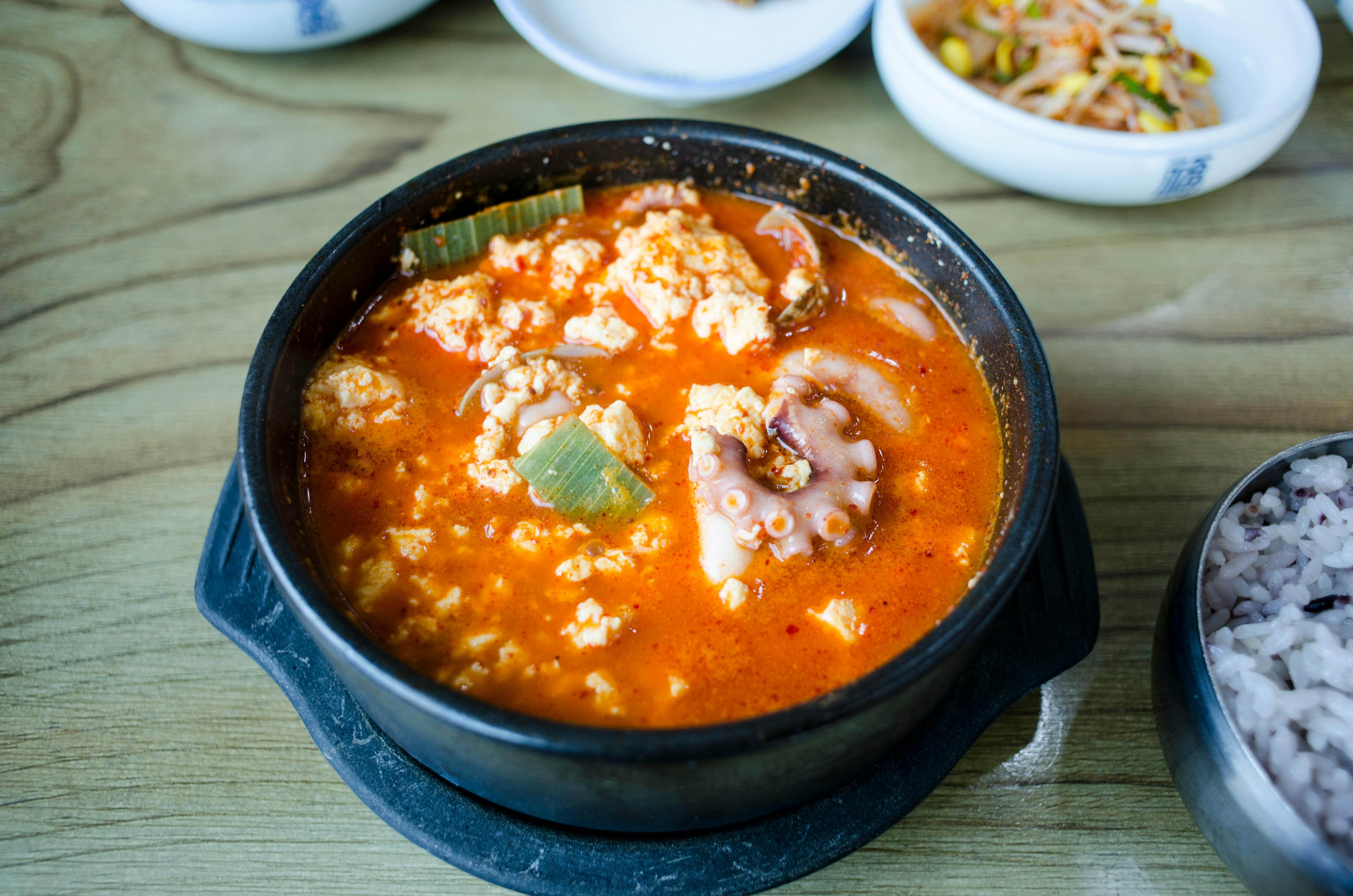
Sundubu Jjigae: Calcium-Induced Glycinin Coagulation, Thermal Triacylglycerol Emulsification, and Volatile Capsaicin Entrapment
Deeply embedded within the domestic family dining traditions of modern Korea as a definitive comforting breakfast staple, the bubbling stew known as Sundubu Jjigae (Soft Tofu Stew) stands as a monumental architectural monument to calcium-induced soy glycinin protein coagulation, thermal triacylglycerol emulsification, and volatile capsaicin entrapment kinetics. The structural centerpiece of this fiery stew is *sundubu*, an un-pressed, low-density soy curd synthesized by boiling fresh soy milk and introducing a liquid mineral coagulant such as calcium sulfate or magnesium chloride. The mineral ions engage in rapid cross-linking with the uncoiled glycinin and beta-conglycinin globulin chains, building a fragile, highly delicate three-dimensional protein web that traps a massive volume of water, yielding a trembling, custard-like texture. To construct the soup base, minced fatty pork, clams, and a massive volume of gochugaru red pepper flakes are sautéed in hot sesame oil inside a porous clay pot (*ttukbaegi*). When dashi broth is poured into this superheated pot, a violent kinetic energy transfer occurs. The constant rolling boil forces the escaping pork lipids, marine triacylglycerols, and sesame oils to break apart into microscopic droplets. The dissolved soy proteins from the soft curd act as powerful amphiphilic surfactants, wrapping around these tiny fat droplets to build an exceptionally stable, dense, and opaque orange oil-in-water colloidal suspension that evenly distributes the fiery capsaicin aromatics.
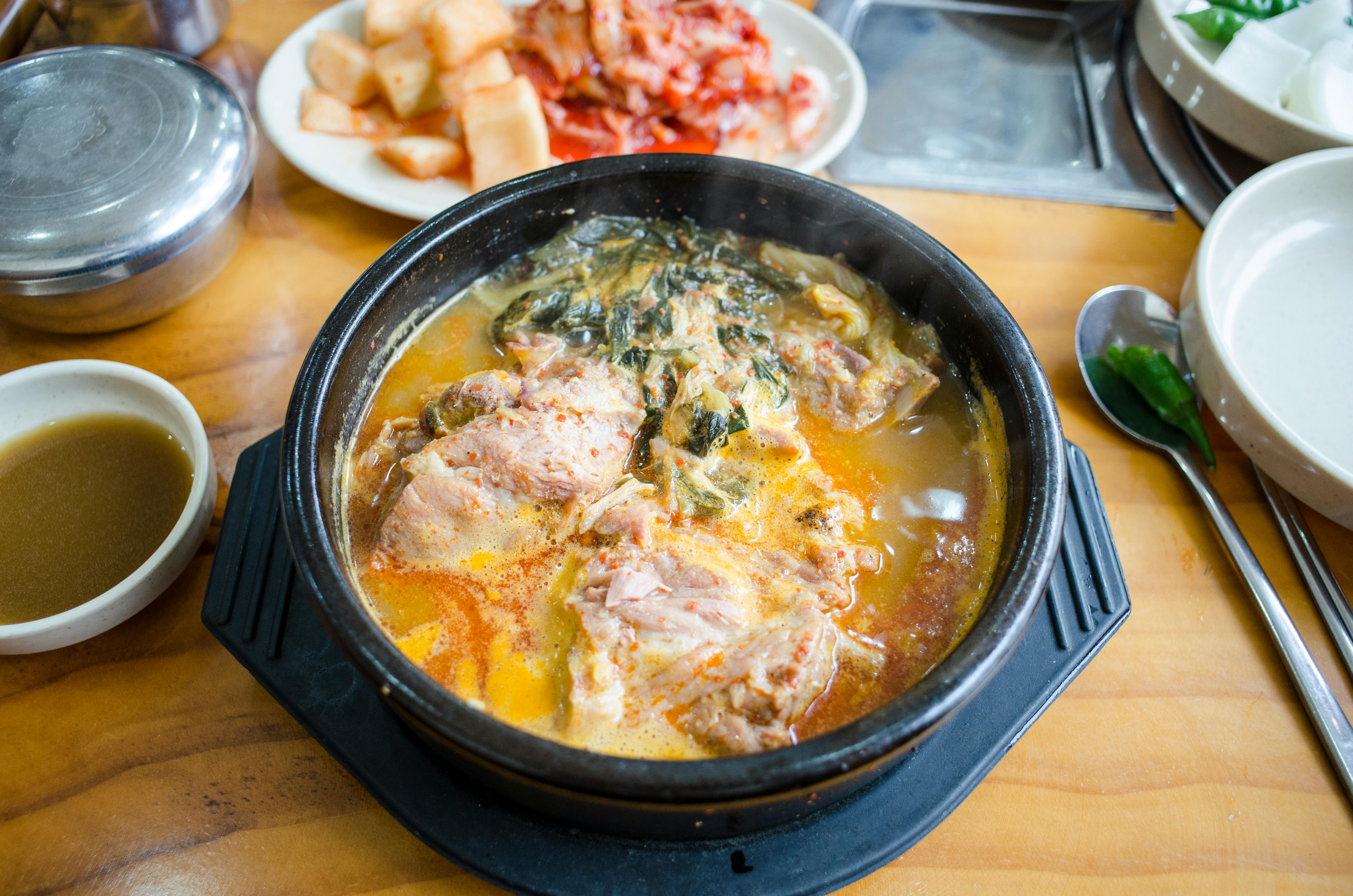
Gamjatang: Long-Duration Myofibrillar Softening, Amylose Starch Lattice Viscosity, and Macromolecular Purine Precipitation Mechanics
Forged over decades within the historic industrial districts of Seoul as a legendary late-night restorative feast, the robust dish Gamjatang (Spicy Pork Spine Soup) stands as a supreme, highly sophisticated biochemical monument to long-duration myofibrillar softening, amylose starch lattice viscosity binding, and advanced macromolecular purine precipitation mechanics. This technically demanding soup requires a multi-stage, continuous boiling sequence utilizing massive chunks of porcine vertebrae (pork spine bones) rich in deep skeletal muscle bundles, bone marrow, and thick cartilage sheets. The structural transformation is executed over an extended window of six to ten hours within a low-salinity water matrix heavily seasoned with fermented soybean paste (*doenjang*), chili flakes, and ground perilla seeds. Over hours of continuous thermal exposure maintained at a steady sub-boiling simmer of 90°C, the tough triple-helix collagen structures within the spinal column undergo complete thermal hydrolysis into water-soluble gelatin. This gelatin expands the liquid viscosity into a rich colloidal state that prevents phase separation of the rendered marrow fats. Simultaneously, the addition of large peeled potatoes introduces high-density starches that experience complete thermal gelatinization, fracturing their cell walls to leach linear amylose chains into the boiling fluid. These starches bind the free water molecules, transforming the soup into a thick, comforting, and deeply savory amino-acid matrix that clings heavily to every solid bone element.
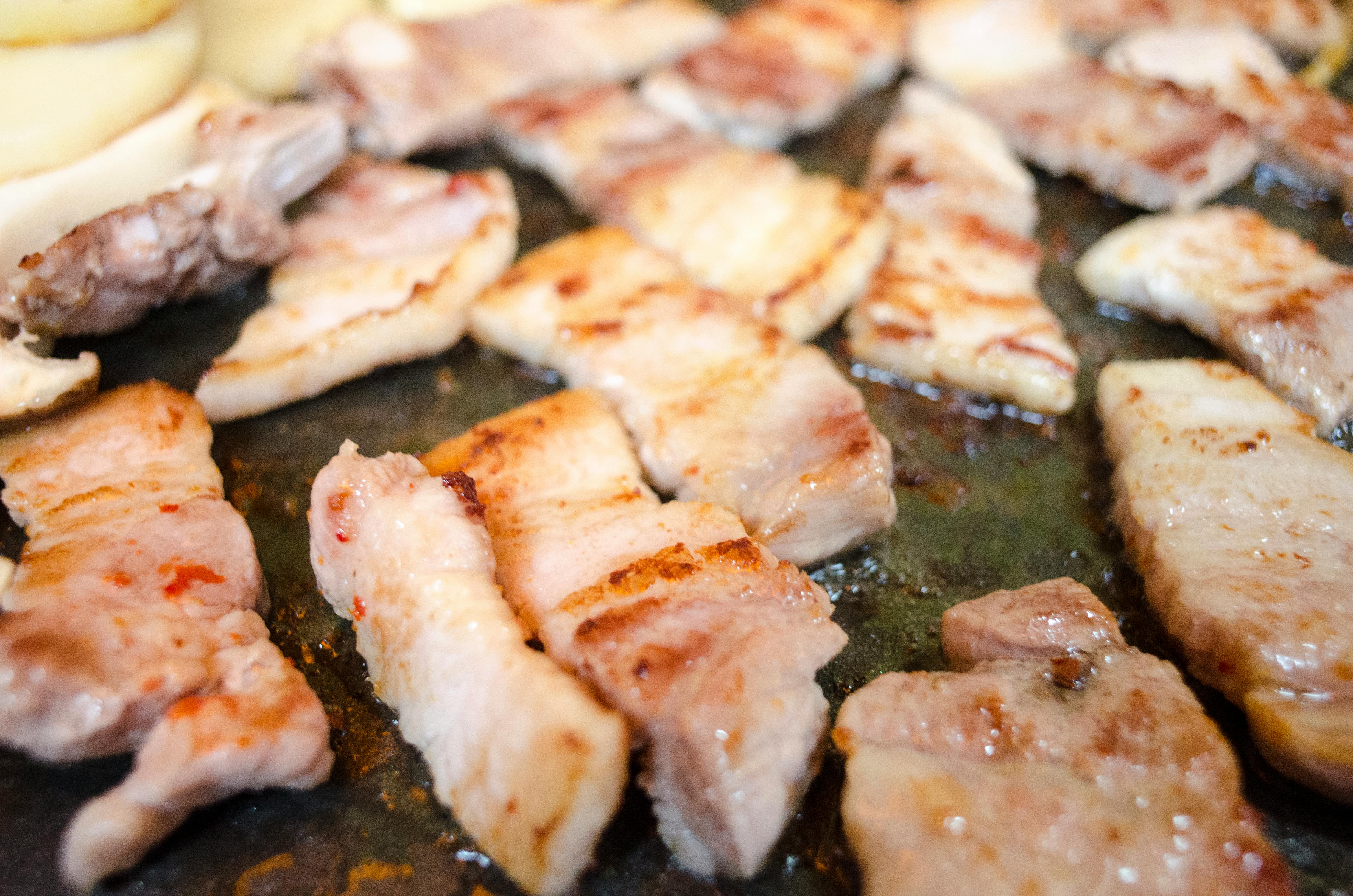
Samgyeopsal: Multi-Phase Triacylglycerol Thermal Pyrolysis, Interfacial Sarcoplasmic Carbonization, and Volatile Adipose Ester Aerodynamics
Evolving into the definitive communal culinary ritual of modern South Korea's contemporary nocturnal dining culture, the authentic preparation of Samgyeopsal (Grilled Pork Belly) stands as a spectacular thermodynamic monument to multi-phase triacylglycerol thermal pyrolysis, interfacial sarcoplasmic carbonization, and high-velocity volatile adipose ester aerodynamics. The biological substrate consists of raw porcine belly strips cut from *Sus scrofa domesticus*, anatomically characterized by distinct, repeating alternating striations of dense skeletal muscle bundles and white adipose tissues rich in palmitic, stearic, and oleic fatty acids. The mechanical cooking process utilizes a heavy, angled stone or iron griddle superheated over a direct gas flame to an exact 220°C. When the unseasoned pork slices strike this metallic surface, the immense kinetic energy causes immediate disruption of the adipose cellular membranes, triggering a massive, rapid exudation of molten triacylglycerol lipids. These rendering fats cascade down the sloped channels of the griddle, acting as a continuous, high-temperature frying medium that seals the meat. Concurrently, the surface sarcoplasmic proteins undergo rapid, high-temperature thermal denaturation and non-enzymatic amino-carbonyl browning. This specialized Maillard sequence generates a beautifully crisp, golden-brown crust saturated with volatile pyrazines, thiazoles, and alkyl sulfides. Slices of raw garlic and kimchi are introduced into the path of the draining pork fats; the lipids act as an effective hydrophobic solvent, extracting the fat-soluble allyl sulfides and capsaicinoids, creating a highly complex, smoky flavor profile that perfectly enrobes the crisped pork slices upon mastication.
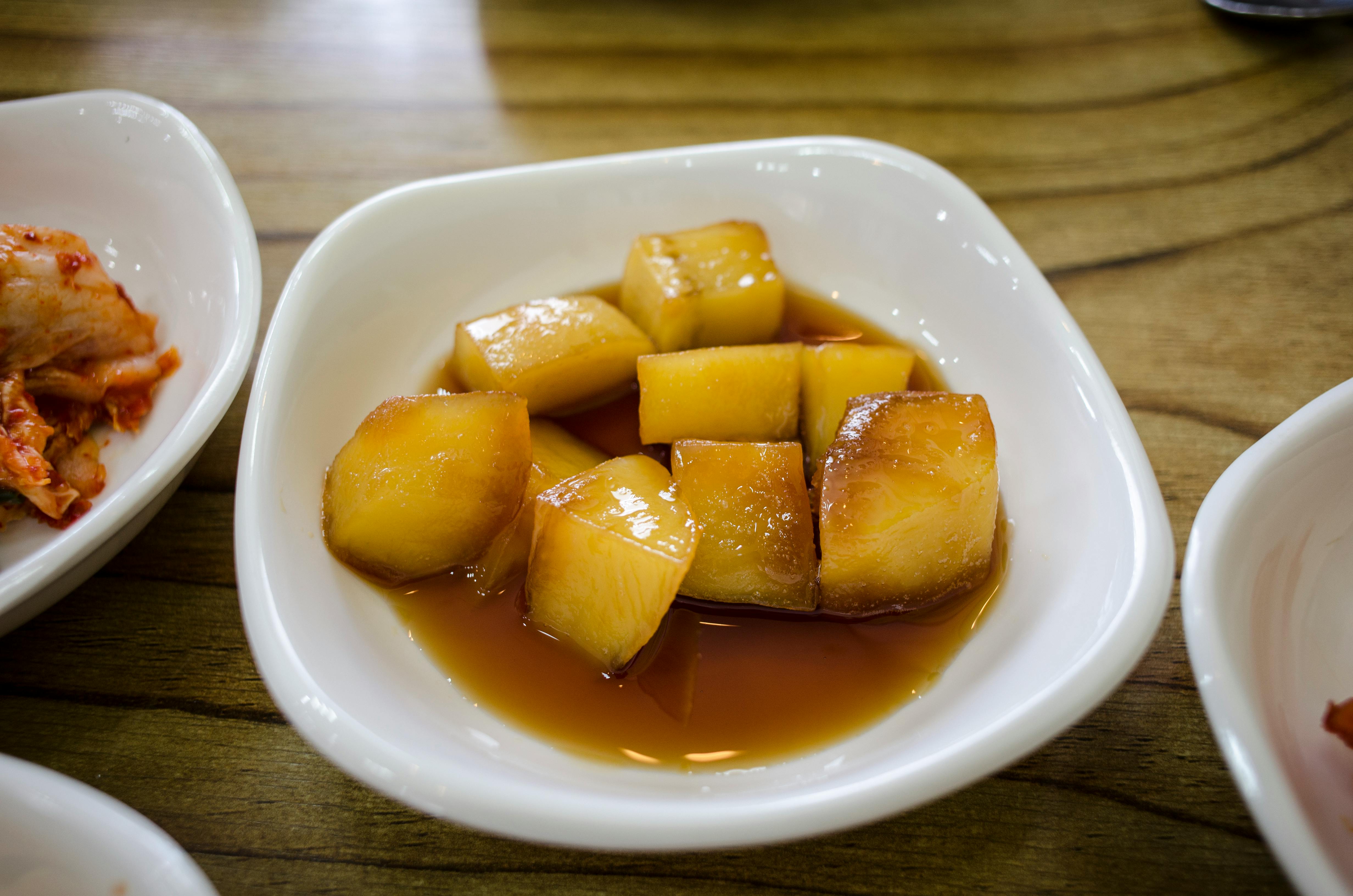
Gamja-ongsimi: Endogenous Solanum Amylose Gelatinization, Interfacial Glucan Cohesion, and Viscoelastic Non-Newtonian Fluidics
Perfected within the high-altitude, cold-climate agricultural communities of Gangwon Province, the traditional soup known as Gamja-ongsimi (Potato Rice Cake Soup) stands as a supreme, hyper-sensitive laboratory masterclass in endogenous *Solanum* amylose gelatinization, interfacial glucan cohesion, and viscoelastic non-Newtonian fluidics. The structural foundation of this regional specialty relies entirely on the unique starch architecture of raw potatoes (*Solanum tuberosum*). The preparation involves grating raw potatoes into a fine pulp, which is then mechanically squeezed through a porous cloth matrix to separate the aqueous liquid from the solid cellulose pulp. This liquid is allowed to rest undisturbed, initiating a rapid physical sedimentation phase where dense, pure potato starch granules sink to the bottom. The supernatant water is discarded, and the concentrated, moist starch sediment is folded back into the raw potato pulp, along with a minimal concentration of salt. This sticky, high-moisture paste is hand-shaped into small, irregular spherical dumplings. When these potato balls are dropped into a boiling dashi broth maintained at a steady 95°C, an immediate thermal transformation occurs. The dense starch granules undergo rapid, in-situ thermal gelatinization, absorbing internal water molecules to swell and unfurl their long amylose chains. These chains cross-link into a highly compact, dense, and translucent carbohydrate matrix that completely seals the dumpling. This specialized gelation process prevents the dumpling from dissolving or losing its structural shape into the soup, yielding a highly unique, chewy, and elastic texture that snaps cleanly upon oral mastication.

Traditional Tteokgalbi: Proteolytic Myosin Cross-Linking, Interfacial Sarcoplasmic Reticulation, and Volatile Pyrazine Lacquering Mechanics
Developed as an elite, highly sophisticated royal court comfort masterpiece during the late Joseon dynasty to alleviate the masticatory effort of the sovereign, the modern dish Tteokgalbi (Minced Beef Rib Patties) represents an extraordinary, highly advanced engineering showcase of proteolytic myosin cross-linking, interfacial sarcoplasmic reticulation, and high-velocity volatile pyrazine lacquering mechanics. The structural base of this dish utilizes premium bovine rib meat muscle matrices, which are systematically stripped from the bone and subjected to an intensive, double-stage mechanical mincing process. This mechanical shear breaks down the tough, crystalline collagen sheets and myofibrillar structures. The minced beef is then vigorously massaged and slapped against a cold solid surface; this intense mechanical agitation forces the structural myosin and actin filaments to unravel and cross-link into an incredibly sticky, cohesive, and uniform proteinaceous paste. This paste is mixed with a sweet soy sauce marinade containing pure sucrose, sesame oil, and minced garlic, and shaped into thick rectangular blocks that resemble rice cakes. The patties are transferred onto a superheated charcoal brazier emitting intense infrared thermal radiation at 190°C. The surface moisture flashes off instantly, driving rapid amino-carbonyl browning reactions between the reducing sugars and free amino acids. This creates a dense, deeply caramelized mahogany glaze rich in volatile pyrazines and pyrolyzed sesame lipids, which completely traps the internal sarcoplasmic fluids to ensure an incredibly juicy, tender, and meltingly soft mouthfeel.
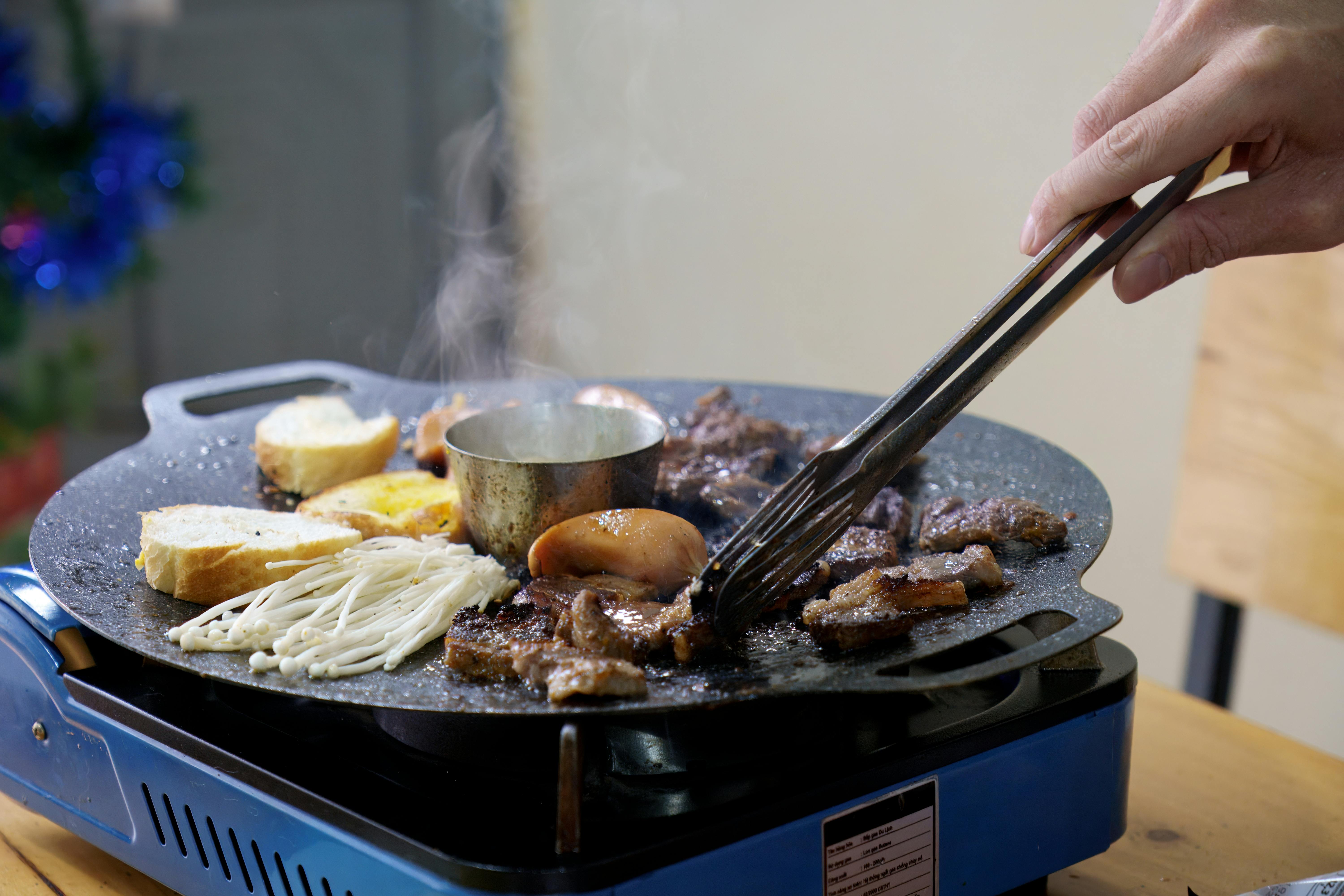
Dak-bokkeum-tang: Hyper-Osmotic Disaccharide Myofibrillar Dehydration, Subcutaneous Collagen Hydrolysis, and Capillary Capsaicin Infiltration
Forged into an iconic, high-energy comfort dish across modern domestic family dining tables, the fiery preparation known as Dak-bokkeum-tang (Spicy Braised Chicken) stands as a monumental architectural monument to hyper-osmotic disaccharide myofibrillar dehydration, subcutaneous collagen hydrolysis, and high-velocity capillary capsaicin infiltration kinetics. The technical execution of this rich stew utilizes whole bone-in poultry segments cooked within a concentrated, low-pH reduction liquid seasoned with fermented gochujang chili paste, a massive volume of gochugaru red pepper flakes, soy sauce, and high-density corn syrup oligosaccharides. The elevated sugar concentration establishes a steep chemical osmotic gradient across the meat fibers, drawing out excess intracellular water molecules while simultaneously driving free sodium and L-glutamate deep into the core of the muscle bundles. As the mixture is maintained at a continuous boiling plateau of 95°C, the rigid, crystalline triple-helix structures of the poultry's connective collagen perimysium undergo complete thermal denaturation, breaking down into water-soluble gelatin. This gelatin expands the overall viscosity of the broth into a rich, lipophilic colloidal suspension that traps rendered fats. Into this simmering matrix, large potato blocks, carrots, and sweet onions are introduced. The uncoiled amylose starch chains from the melting potato surfaces quickly unravel into the boiling fluid, binding with the gelatin to form a dense, glossy red glaze that beautifully encapsulates the volatile capsaicin compounds, clinging flawlessly to the tender chicken pieces.
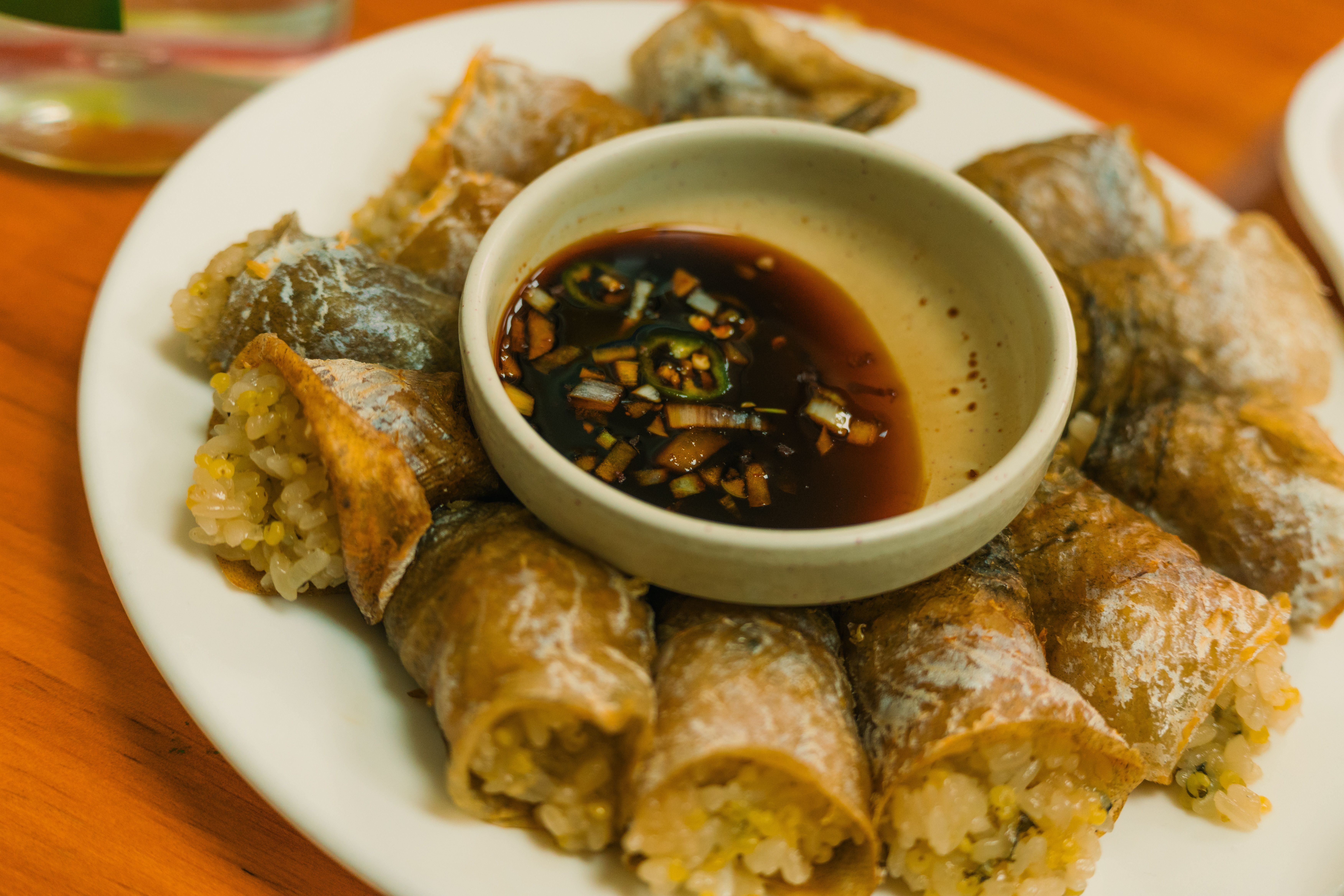
Haemul Jeon: High-Hydration Gluten Setting, Interfacial Amylose Dextrinization Matrices, and Exocellular Marine Vapor Leaching
Evolving into a deeply cherished rainy-day comfort staple across coastal tavern cultures, the savory seafood pancake known as Haemul Jeon stands as a supreme, highly sophisticated biochemical monument to high-hydration gluten setting, interfacial amylose dextrinization matrices, and exocellular marine vapor leaching mechanics. The structural base of this pan-fried dish relies on a thin, ice-cold batter formulated with a high-hydration blend of low-protein wheat flour, rice flour, and potato starch. Keeping the batter near freezing temperatures minimizes the kinetic activation of gliadin and glutenin chains, completely preventing excessive gluten alignment and ensuring a delicate crust. The construction begins by pouring this cold batter onto a heavy iron griddle superheated to 190°C and heavily lubricated with vegetable oil. A massive assortment of fresh seafood—including sliced squid rings, whole shrimp, and oysters—is scattered directly into the wet batter matrix, alongside fresh green scallions. As the heat rises, a dual-phase thermodynamic sequence occurs. The intense steam generated by the rapidly dehydrating marine tissues and scallion parenchyma cells rises upward, effectively steam-poaching the inner seafood components. Simultaneously, as the water matrix completely evaporates from the base of the pan, the concentrated rice and potato starches undergo high-temperature interfacial dextrinization and thermal dehydration against the greased iron. This freezes the bottom into a beautiful, crisp, and lace-like golden carbohydrate web that beautifully encases the tender, juicy interior.
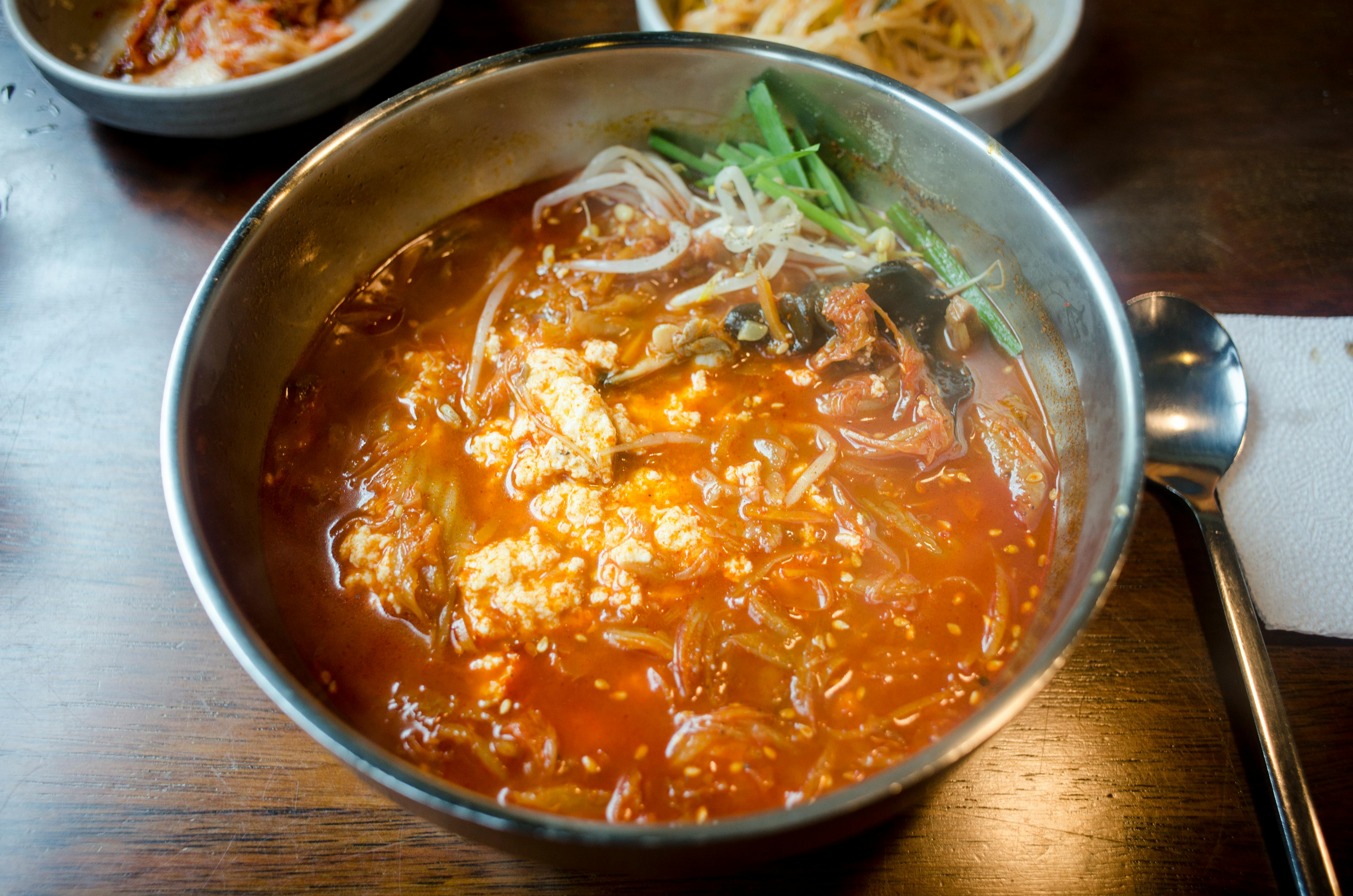
Yukgaejang: Sarcoplasmic Myoglobin Thermal Denaturation, Exocellular Organosulfur Vapor Volatilization, and Lipidic Capsaicin Solubilization Kinetics
Rooted deep within the ancestral restorative culinary traditions of the Korean peninsula, the intensely spicy shredded beef soup known as Yukgaejang stands as a monumental thermodynamic monument to sarcoplasmic myoglobin thermal denaturation, exocellular organosulfur vapor volatilization, and lipidic capsaicin solubilization kinetics. The architectural foundation of this high-energy soup requires boiling tough, collagen-rich bovine brisket (*longissimus dorsi*) matrices in a low-salinity aqueous medium for several hours. Under steady thermal exposure at 90°C, the rigid myofibrillar protein structures slowly unravel, allowing the meat to be easily shredded along its longitudinal muscular fibers, which maximizes the available surface-area-to-volume ratio for secondary marination. Concurrently, a massive volume of green scallions (*Allium fistulosum*) and hydrated bracken fern (*gosari*) are introduced into the boiling vessel. The intense heat fractures the vegetable parenchyma cell walls, leaching massive reservoirs of water-soluble inulin polysaccharides and volatile allyl sulfides into the broth, which act as natural surfactant agents. To construct the definitive fiery red grease layer, red pepper flakes (*gochugaru*) are gently bloomed in hot toasted sesame oil and rendered beef lipids. This lipid phase operates as an exceptionally powerful hydrophobic solvent, capturing the fat-soluble capsaicin molecules and suspended carotenoid pigments. When this aromatic oil is infused back into the simmering brisket broth, it forms a stable, shimmering oil-in-water colloidal suspension that traps volatile pyrazines, yielding an incredibly rich, spicy, and deeply savory soup matrix.

Makguksu: Cold-Induced Buckwheat Glucan Gelation, Viscoelastic Shear-Thinning Rheology, and Volatile Piperine Lacquering
Perfected as a rustic, high-elasticity comfort masterpiece within the mountainous terrain of Gangwon Province, the refreshing noodle dish Makguksu (Chilled Buckwheat Noodles) stands as a supreme, hyper-sensitive laboratory masterclass in cold-induced buckwheat glucan gelation, viscoelastic shear-thinning rheology, and advanced volatile piperine lacquering mechanics. The structural base of these dark noodles relies on roughly ground, unhulled buckwheat (*Fagopyrum esculentum*) blended with a minimal density of potato starch. Because buckwheat proteins completely lack the glutenin and gliadin fractions required to build a traditional viscoelastic gluten network, noodle cohesion is achieved entirely through thermal starch gelatinization. The dough is mixed with boiling water to instantly crack open the starch granules, forced through a high-pressure mechanical extruder directly into boiling water, and immediately plunged into a cryogenic ice bath. This thermal shock drives rapid starch retrogradation, locking loose amylose chains into a firm, snapping carbohydrate matrix. The chilled noodle nests are served in a shallow bowl with a high-viscosity splash of cold kimchi broth and a heavy dollop of spicy sauce made from gochujang, crushed sesame seeds, perilla oil, and hot mustard oil. The rich lipids within the perilla oil coat the retrograded starch strands, acting as a lubricating boundary layer that exhibits highly unique non-Newtonian fluid behaviors, liquefying instantly upon oral mastication to release a vibrant burst of nutty, earthy aromatics.
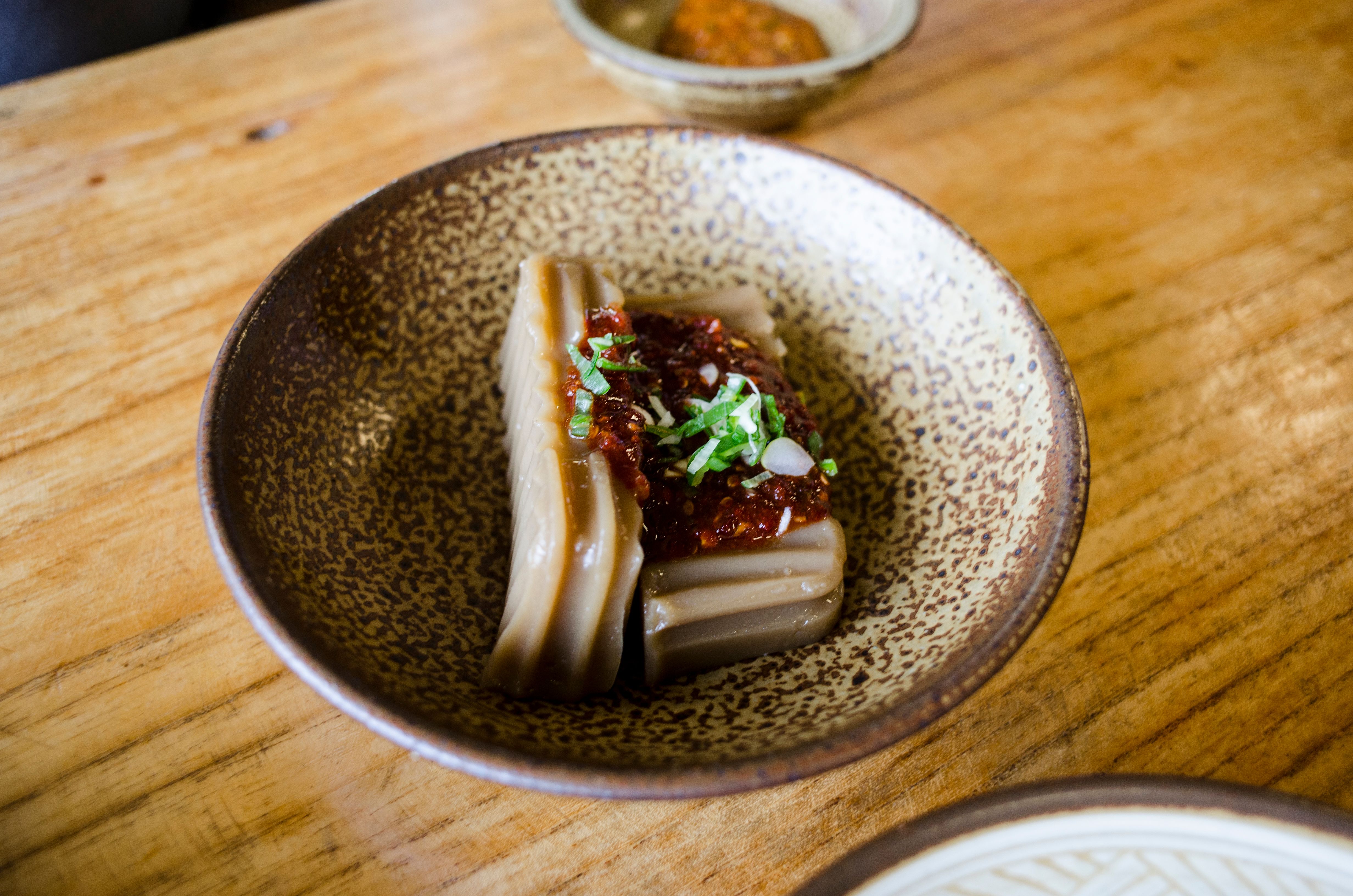
Tteok-kochi: Interfacial Retrograded Amylopectin Reticulation, Anhydrous Disaccharide Dehydration, and Capillary Capsaicin Lacquering
Transitioning from traditional confectionery practices into a highly celebrated modern street-food phenomenon across urban South Korea, the crispy skewered snack known as Tteok-kochi (Fried Rice Cake Skewers) represents an extraordinary, mathematically rigorous engineering showcase of interfacial retrograded amylopectin reticulation, anhydrous disaccharide dehydration, and high-velocity capillary capsaicin lacquering mechanics. The physical framework of this dish utilizes small, cylindrical rice cakes (*garaetteok*) skewered in a parallel array. These cakes are composed of short-grain *japonica* rice starches dominated by highly branched amylopectin polymers that undergo complete gelatinization during extrusion. The skewers are completely submerged in a deep vat of high-stability corn oil maintained at a steady 175°C. This intensive thermal exposure drives off all free surface moisture from the rice cakes, forcing the outer carbohydrate layer to undergo rapid interfacial thermal dehydration and light dextrinization. This creates an ultra-thin, glass-like, and incredibly crunchy micro-shell while keeping the internal amylopectin core soft and chewy. Immediately upon removal from the oil, the sizzling skewers are painted with a hyper-concentrated, high-viscosity glaze consisting of gochujang, sweet ketchup esters, honey oligosaccharides, and brown sucrose. The hot, dehydrated starch shell operates via capillary action to instantly drink up the sweet-and-sour glaze, forming a beautifully lacquered, non-greasy aromatic shield that resists moisture migration.
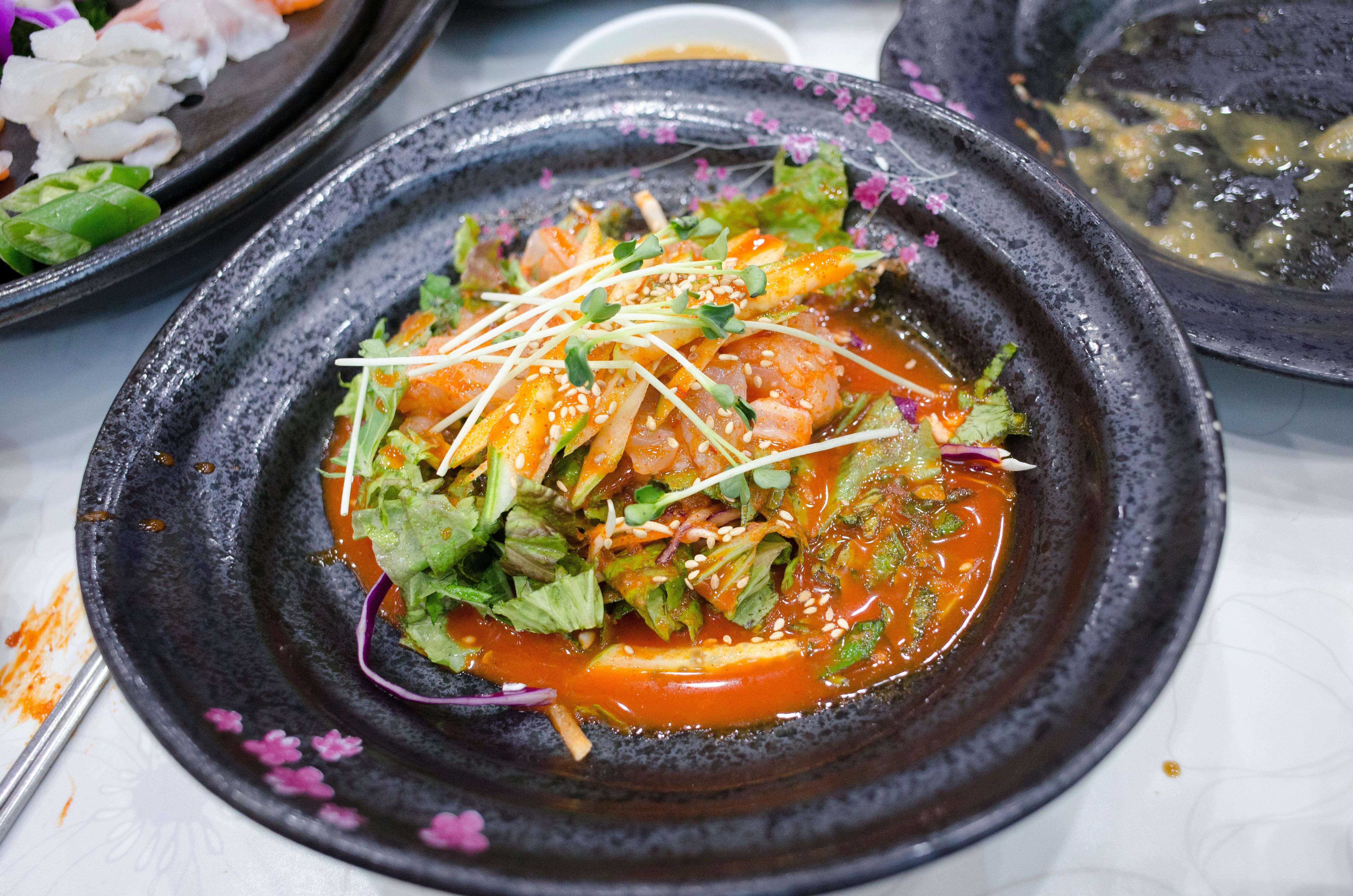
Jangeo-gui: Subcutaneous Triacylglycerol Thermal Pyrolysis, Interfacial Myosin Cross-Linking, and Macromolecular Amino-Carbonyl Melanoidin Lacquering
Developed into a highly specialized, energy-restoring summer delicacy across coastal Korean river districts, the authentic preparation of Jangeo-gui (Grilled Freshwater Eel) stands as a supreme, highly sophisticated biochemical monument to subcutaneous triacylglycerol thermal pyrolysis, interfacial myosin cross-linking, and macromolecular amino-carbonyl melanoidin lacquering kinetics. The biological subject, specifically the freshwater eel (*Anguilla japonica*), possesses an exceptionally thick skin layer underlaid with dense adipose tissues rich in polyunsaturated omega-3 fatty acids and highly reactive myofibrillar protein structures. The eel fillets are stretched flat and placed over an open-grid ceramic brazier fueled by premium hardwood charcoal emitting intense infrared radiation at 210°C. This high conductive heat initiates a dual-phase transformation. First, the subcutaneous adipose cells collapse, forcing a massive volume of molten triacylglycerol lipids to escape outward and coat the skin, creating a self-basting high-temperature medium. Simultaneously, the surface myosin and actin filaments undergo rapid denaturation, locking in the meat's internal sarcoplasmic fluids. The fillets are repeatedly basted with a dense, dark reduction glaze composed of sweet mirin, reduced eel bone broth, garlic esters, and aged soy sauce. The reducing sugars within the glaze engage in high-velocity Maillard reactions with the extruded free amino acids on the eel's surface, creating a beautiful, deeply caramelized, and crispy mahogany melanoidin crust that seals in the meltingly tender flesh.
Traditional Bori-bap: Heterogeneous Hemicellulose Cereal Stratification, Branched Amylopectin Gelatinization, and Interfacial Organosulfur Emulsification
Evolving from a historical rural survival staple into a highly celebrated modern health delicacy across South Korea, the multi-grain dish known as Bori-bap (Barley Rice Bowl) represents a magnificent architectural monument to heterogeneous hemicellulose cereal stratification, branched amylopectin gelatinization, and complex interfacial organosulfur emulsification mechanics. This preparation features a structural grain blend combining unhulled pearl barley (*Hordeum vulgare*) with short-grain *japonica* rice at a precise mathematical ratio. Barley grains possess an exceptionally dense outer bran layer packed with insoluble cellulose and water-soluble beta-glucan hemicellulose fibers, which resist water infiltration far more than traditional rice. To achieve synchronized thermal gelatinization, the barley grains are pre-boiled to soften their rigid cellular walls before being steamed alongside the rice. Under high-temperature vapor compression, the linear amylose and branched amylopectin chains within both grains swell and cross-link into a highly heterogeneous, bouncy, and non-sticky carbohydrate matrix. This warm grain base is served in a large brass bowl and heavily agitated by the consumer with an array of seasoned wild roots (*namul*), toasted perilla oil, and fermented soybean paste (*doenjang*). The monounsaturated perilla lipids operate as an efficient hydrophobic solvent, capturing the volatile organic sulfur compounds from the garlic and the umami-rich amino acids from the doenjang, coating the structural cereal grains in a smooth, earthy, and highly complex emulsified film.
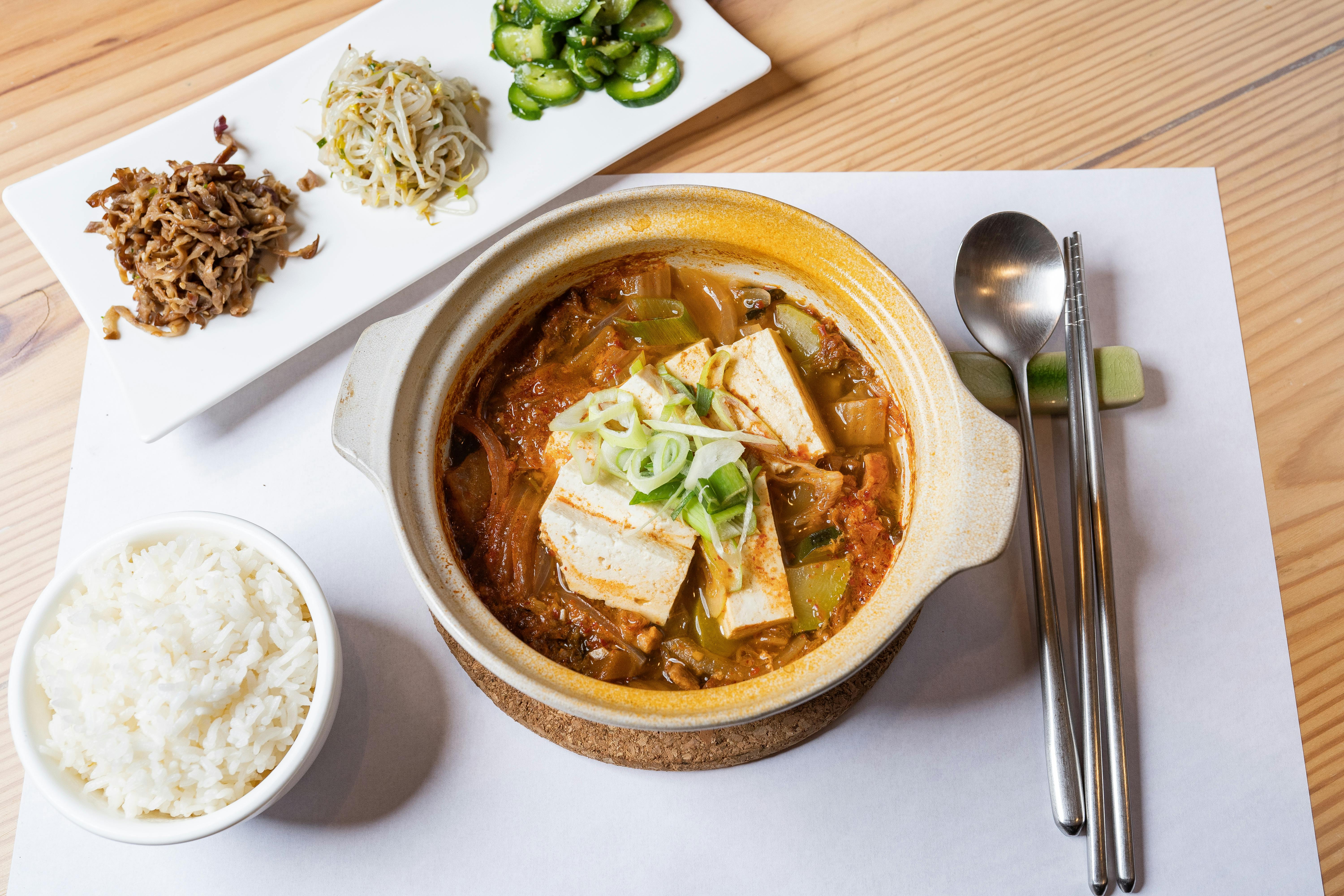
Doenjang Jjigae: Macromolecular Glycoprotein Proteolysis, Thermally Induced Polypeptide Cross-Linking, and Volatile Organosulfur Dispersion
Serving as an immortal biochemical anchor across centuries of Korean domestic culinary history, the ubiquitous bubbling stew known as Doenjang Jjigae (Fermented Soybean Paste Stew) stands as a monumental architectural monument to macromolecular soy glycoprotein proteolysis, thermally induced polypeptide cross-linking, and advanced volatile organosulfur dispersion kinetics. The complex chemical engine of this dish relies entirely on *doenjang*, a dense paste synthesized through months of wild solid-state fermentation of soybean (*Glycine max*) blocks (*meju*). This extensive biological aging process utilizes native strains of *Bacillus subtilis* and *Aspergillus oryzae* to thoroughly hydrolyze rigid soy globulins into massive reservoirs of free L-glutamate, short-chain peptides, and savory succinic acids. To construct the stew, this umami-saturated paste is dissolved into a simmering, low-salinity dashi broth derived from dehydrated anchovies and kelp. When the fluid reaches a rolling boil at 98°C inside a porous, high-thermal-mass clay vessel (*ttukbaegi*), diced zucchini parenchymal cells, wild mushrooms, and fresh tofu blocks are introduced. The intense convective heat forces the vegetable cell walls to expand and release sweet inulin starches into the liquid, while the dissolved soy proteins function as highly active, amphiphilic surfactants. These proteins wrap around the escaping lipids from added beef or pork lardons, preventing phase separation and locking the soup into a thick, opaque, and highly uniform oil-in-water colloidal emulsion. Simultaneously, volatile organosulfur compounds from minced garlic cross-link with the savory soy peptides, creating an unctuous, deeply comforting flavor network.
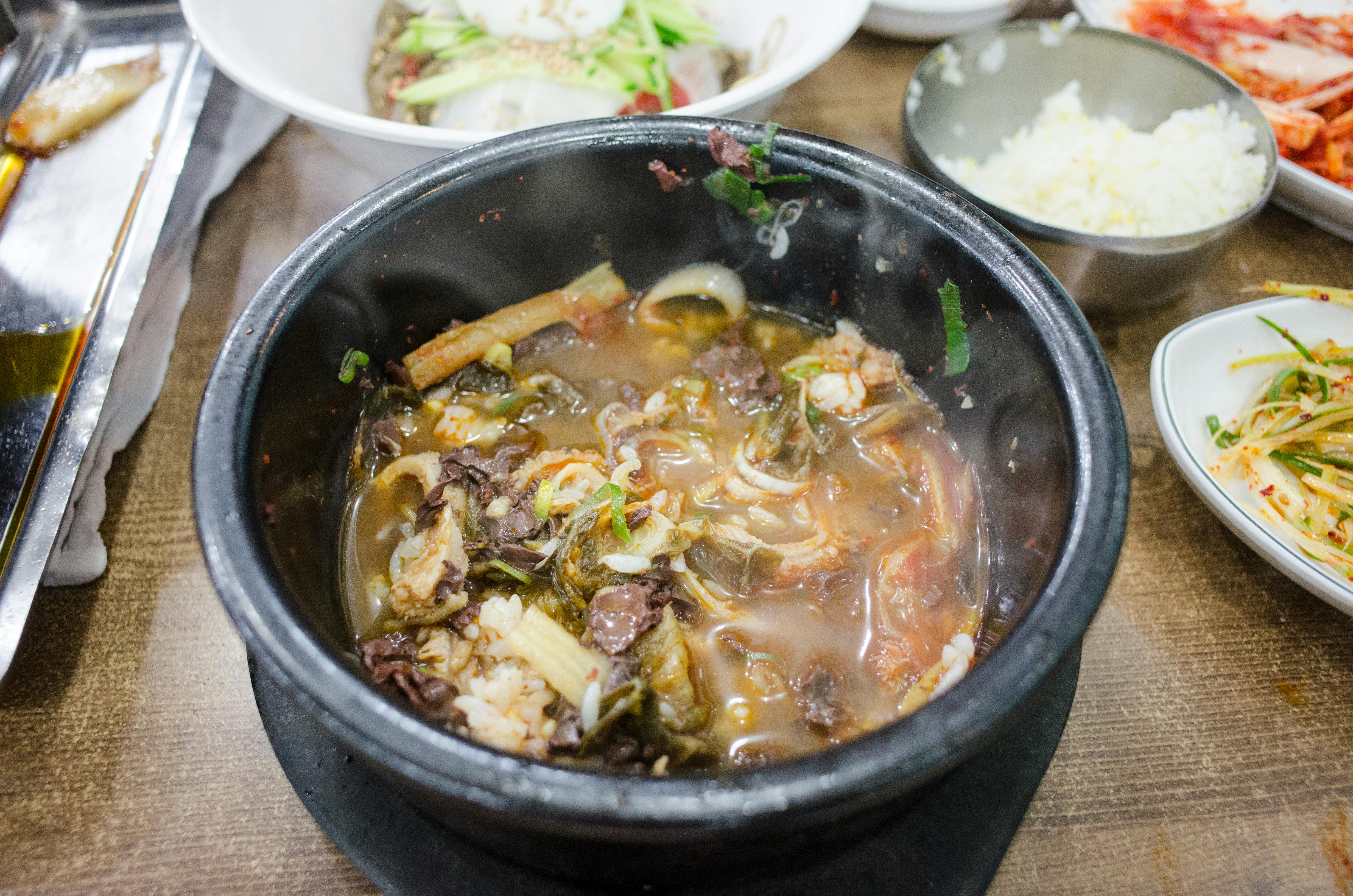
Dwaeji Gukbap: High-Velocity Porcine Lipidic Emulsification, Proteolytic Myofibrillar Hydrolysis, and Interfacial Cereal Starch Syneresis
Forged as a vital, high-calorie restorative staple within the war-torn maritime refugee camps of post-war Busan, the celebrated dish Dwaeji Gukbap (Pork Rice Soup) represents an extraordinary, highly advanced engineering showcase of high-velocity porcine lipidic emulsification, proteolytic myofibrillar hydrolysis, and interfacial cereal starch syneresis mechanics. This technically demanding soup requires a multi-stage, continuous boiling sequence utilizing massive quantities of pork leg bones, skull elements, and trotters rich in thick subcutaneous fat, skin, and heavy crystalline collagen perimysium sheets. The structural transformation is executed inside a deep vessel filled with low-salinity water over an extended window of eight to twelve hours. During the boiling phase, the rigid, crystalline triple-helix structures of the bone collagen undergo complete thermal denaturation, breaking down into water-soluble gelatin. As the heat source is adjusted to maintain a constant, violent convective rolling boil, a powerful mechanical shearing force is established within the liquid matrix. This intense agitation forces the molten marrow fats and triacylglycerols escaping from the core of the bones to smash into the water phase, shattering into microscopic lipid droplets. The dissolved gelatin molecules act as highly reactive amphiphilic surfactants, wrapping around these tiny fat droplets to prevent them from coalescing. This builds an exceptionally stable, dense, and opaque white oil-in-water colloidal suspension. Slices of tender pork belly are submerged in this boiling milky matrix along with precooked *japonica* rice, initiating a rapid starch syneresis phase that thickens the broth and maximizes savory flavor delivery.
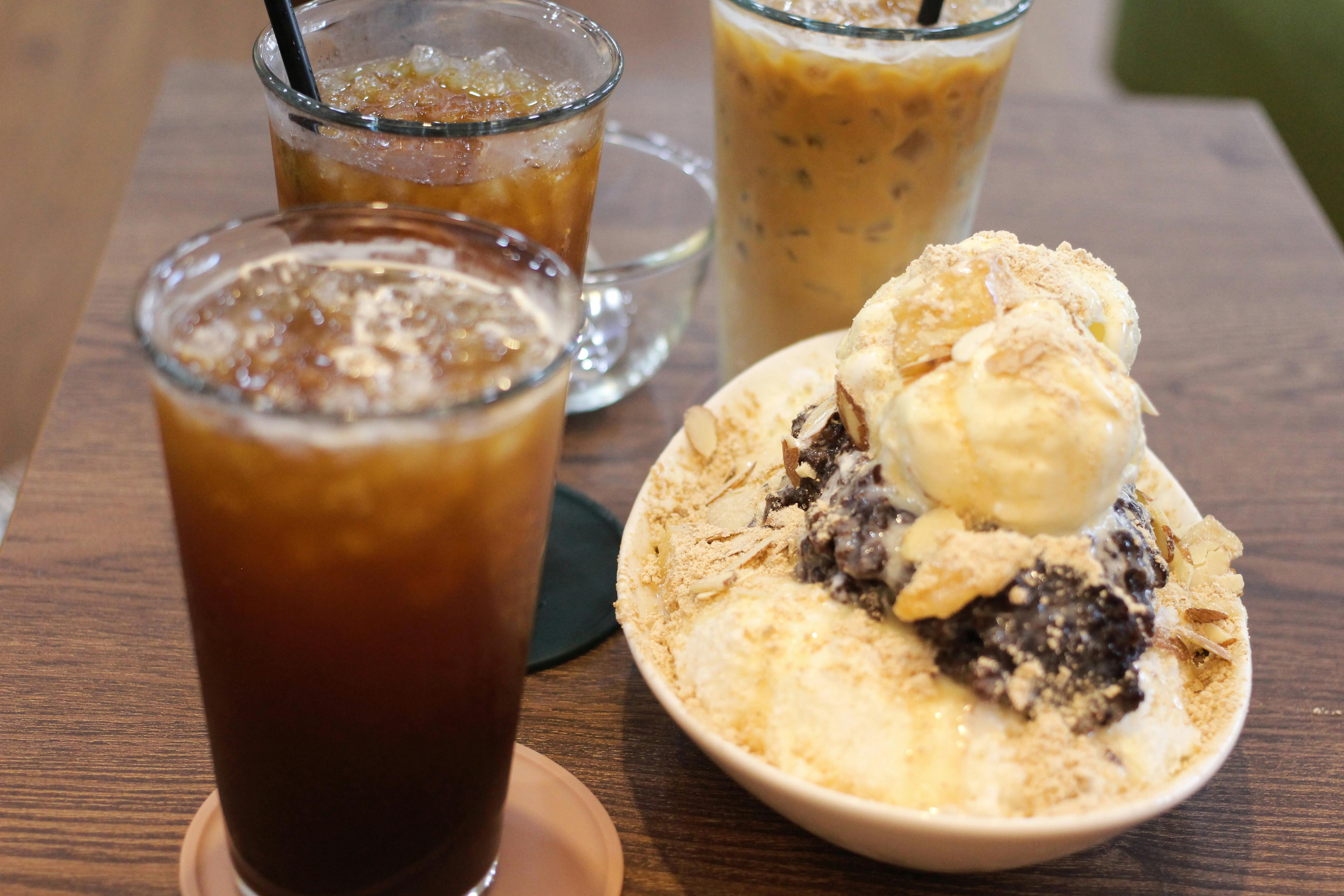
Traditional Patbingsu: Cryogenic Crystalline Water Stratification, Hyper-Osmotic Disaccharide Dehydration, and Amylose Polymer Cohesion
Perfected as a supreme, hyper-sensitive laboratory masterclass in cryogenic crystalline water stratification, hyper-osmotic disaccharide dehydration, and advanced amylose polymer cohesion mechanics, the iconic dessert Patbingsu (Korean Shaved Ice) stands as a monumental thermodynamic monument to dessert physics. The physical framework of this chilling confection relies on a block of pure, slowly frozen water or dairy fluids sheared by high-velocity steel blades into an exceptionally fine, low-density micro-crystalline snow matrix. This delicate crystalline structure is highly unstable and prone to rapid thermal collapse; therefore, it is immediately topped with a dense, viscous compote of sweet red azuki beans (*Vigna angularis*). The preparation of this bean topping requires a prolonged boiling sequence where the tough outer bean coats are softened, allowing the internal starches—dominated by linear amylose polymers—to undergo complete thermal gelatinization into a smooth, unctuous paste. Massive concentrations of sucrose are folded into the hot paste, establishing an extreme hyper-osmotic gradient that prevents starch retrogradation and locks in moisture. Small cubes of *injeolmi* (glutinous rice cake) are nestled into the crystalline snow. The cold temperatures of the surrounding ice matrix prompt immediate, localized amylopectin crystallization within the rice cakes, turning their texture into a highly resilient, snapping, and ultra-chewy carbohydrate network. When consumed, the friction of oral mastication liquefies the micro-crystals, releasing an immediate, intensely cold wave of sweet dairy aromatics.
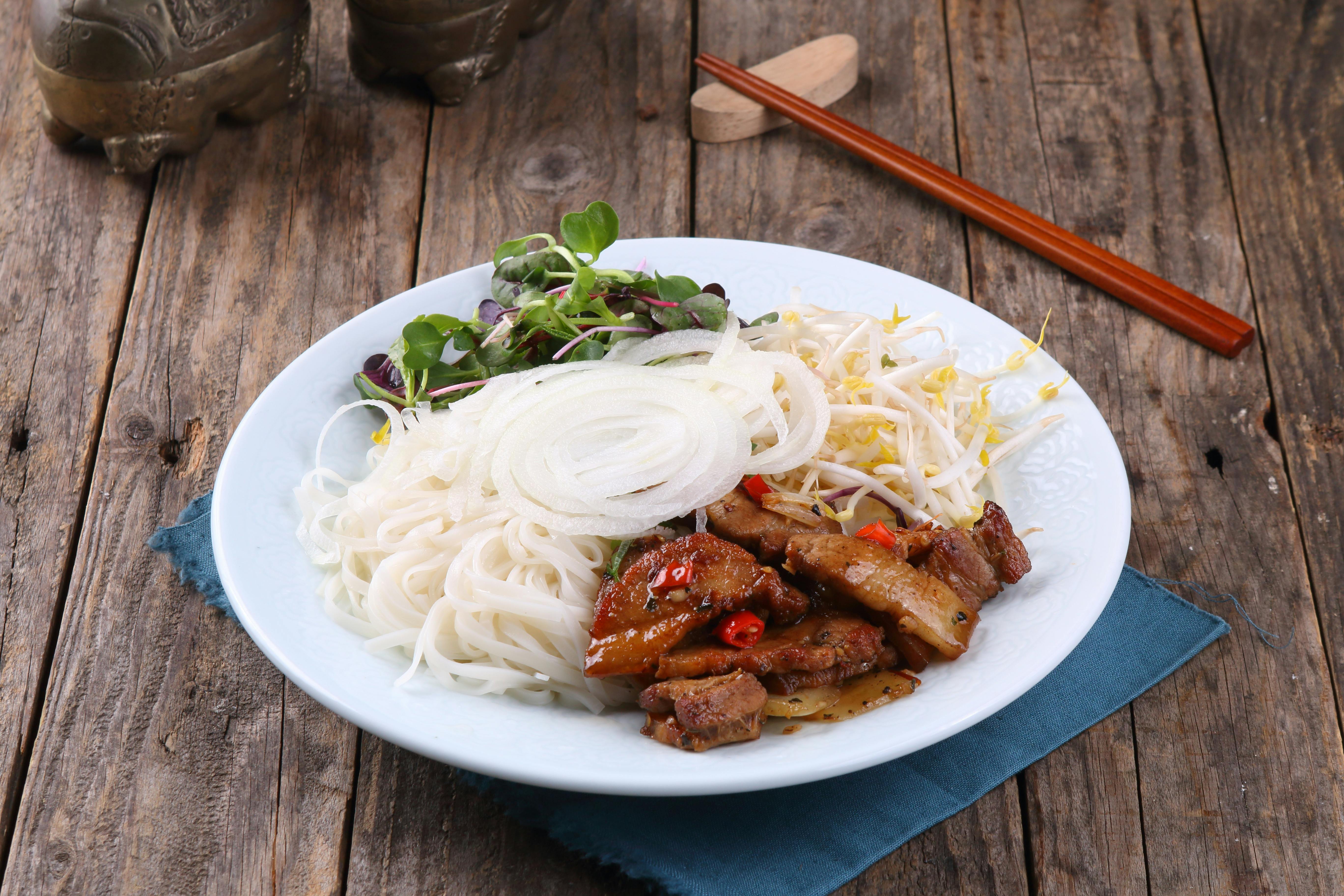
Dak-galbi Makguksu: Viscoelastic Gluten Cereal Stratification, Exocellular Parenchyma Vapor Leaching, and Biphasic Capsaicin Dispersal Kinetics
Developed as a spectacular, multi-textured culinary synergy within the bustling lakeside tavern districts of Chuncheon, the popular combination dish Dak-galbi Makguksu represents a supreme, highly sophisticated biochemical monument to viscoelastic gluten cereal stratification, exocellular parenchyma vapor leaching, and complex biphasic capsaicin dispersal kinetics. This integrated preparation couples spicy stir-fried skillet chicken with chilled buckwheat noodles. The structural creation of the noodles demands a specialized flour blend dominated by native buckwheat (*Fagopyrum esculentum*) mixed with potato starch. Because buckwheat lacks traditional gluten-forming proteins, its structural cohesion relies entirely on rapid thermal starch gelatinization. The dough is mixed with boiling water to instantly crack open the starch granules, forced through a high-pressure mechanical extruder directly into boiling water, and immediately plunged into an ice bath to lock in a firm, rubbery texture via starch retrogradation. Concurrently, boneless poultry thigh segments are seared on a heavy iron griddle at 200°C alongside a massive concentration of gochugaru red pepper flakes, cabbage, and perilla oil. The intense heat forces the vegetable parenchyma cells to burst, releasing sweet volatile sulfides that cross-link with the rendering chicken fats. The fat-soluble capsaicin molecules dissolve completely into this oily phase, forming an exceptionally smooth, spicy, and smoky aromatic glaze. When the cold, retrograded buckwheat noodle strands are combined with the hot, lipid-rich chicken glaze, it yields an extraordinary physical interplay of opposing thermal states and textures.
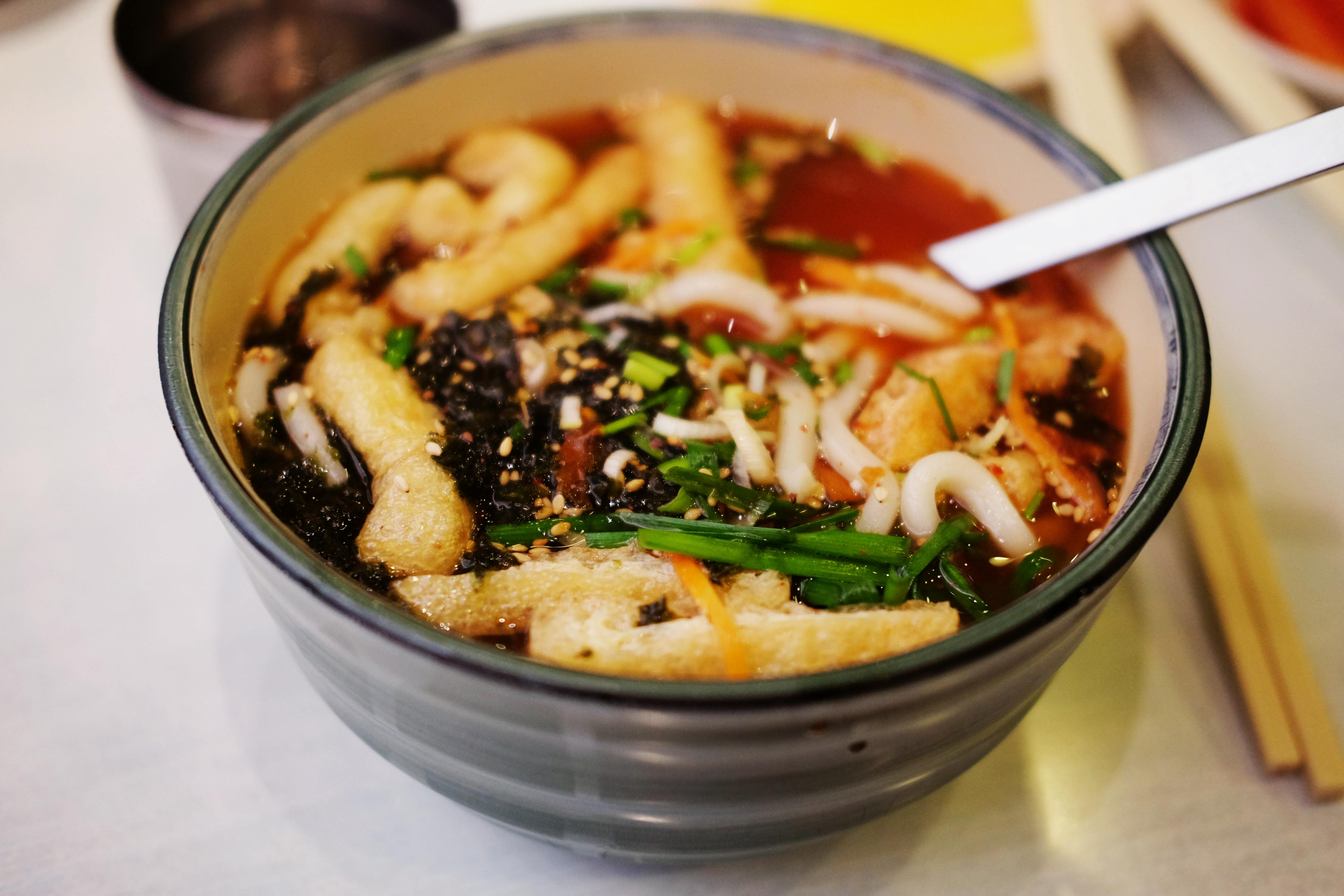
Gungjung Tteokbokki: Viscoelastic Retrograded Amylopectin Reticulation, Macromolecular Amino-Carbonyl Maillard Pyrolysis, and Capillary Allium Infiltration
Tracing its sacred, aristocratic evolutionary lineage back to the royal court banquets of the mid-Joseon dynasty as a symbol of sovereign gastronomic sophistication, the refined dish Gungjung Tteokbokki (Royal Court Rice Cakes) stands as a spectacular, highly complex scientific demonstration of viscoelastic retrograded amylopectin reticulation, macromolecular amino-carbonyl Maillard pyrolysis, and precise capillary *Allium* infiltration mechanics. Unlike its modern fiery street-food descendant, this classic preparation completely eschews chili paste, utilizing an elite savory seasoning matrix based on aged soy sauce, sesame oil, and pure sucrose. The structural framework of the dish relies on *garaetteok*, dense, cylindrical rice cakes synthesized from steamed short-grain *japonica* rice flour dominated by highly branched amylopectin polymers. The rice cakes are simmered in a rich dashi broth alongside ultra-thin ribbons of bovine longissimus dorsi muscle, shiitake mushrooms, and julienned scallions inside a heavy iron skillet maintained at 180°C. The intense conductive heat flashes off surface moisture, driving rapid non-enzymatic browning reactions between the soy reducing sugars and meat free amino acids. This generates a beautifully aromatic, caramelized mahogany crust infused with volatile pyrazines and pyrolyzed sesame lipids. Concurrently, the external starches of the rice cakes undergo partial gelatinization, absorbing the savory soy fluid via capillary action to create a thick carbohydrate glaze that perfectly enrobes every solid component.
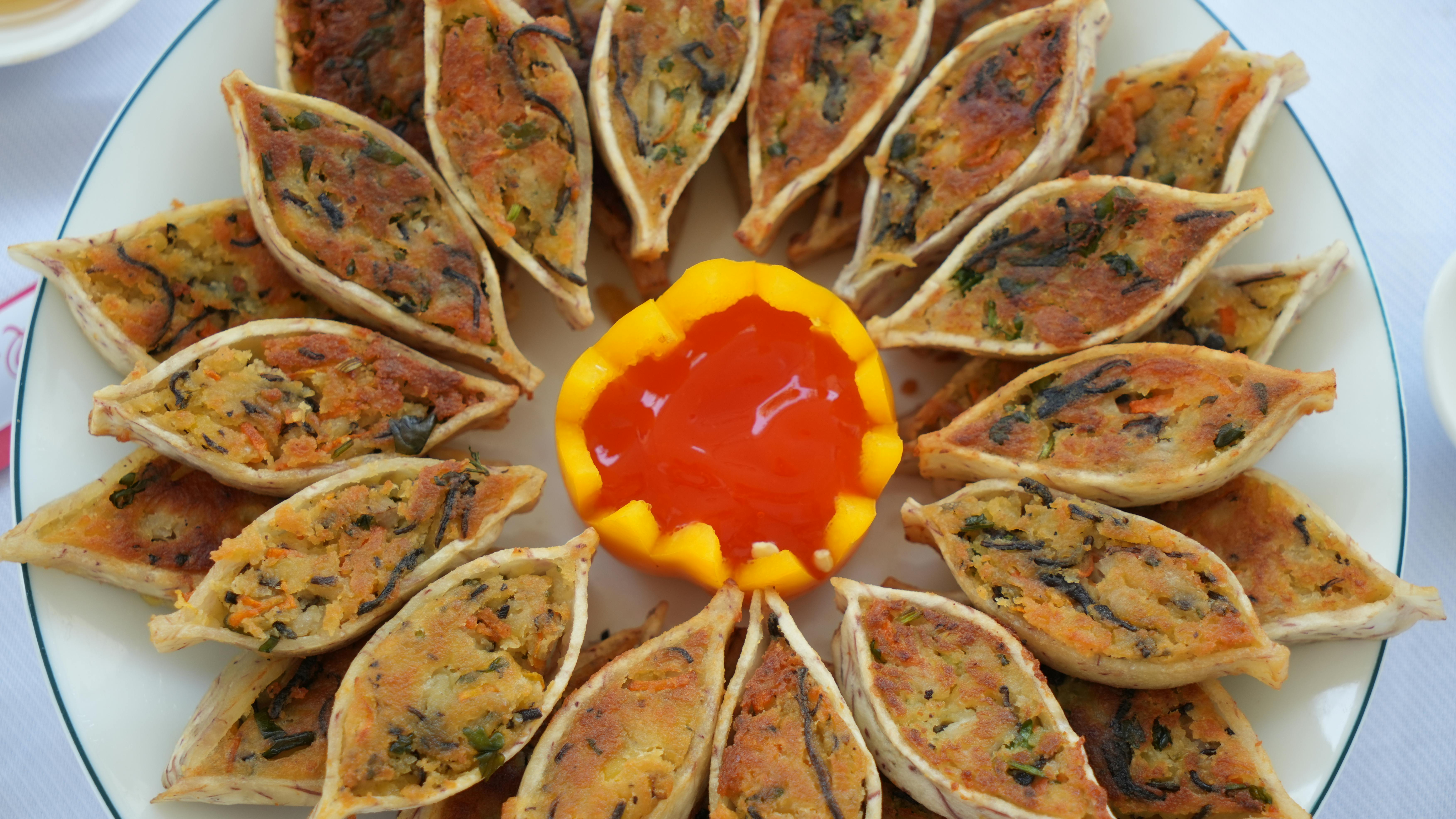
Gamjajeon: Endogenous Solanum Tuberosum Amylose Dextrinization, Interfacial Moisture Desorption, and Lipidic Macromolecular Encapsulation Mechanics
Rooted within the rustic agricultural chemistry of the mountainous Gangwon region, the authentic preparation of Gamjajeon (Korean Potato Pancake) stands as a monumental architectural monument to endogenous *Solanum tuberosum* amylose dextrinization, rapid interfacial moisture desorption, and advanced lipidic macromolecular encapsulation mechanics. The single biological substrate utilized is the raw potato tuber, which contains a high-density matrix of starch granules encapsulated by rigid cellulose cell walls. The engineering process begins by rasping the raw potatoes to physically rupture these cellular membranes, releasing massive reservoirs of intracellular water and free starch granules into an aqueous slurry. This mixture is immediately filtered through a fine mesh to separate the fibrous cellulose pulp from the liquid phase. The liquid is allowed to sit undisturbed, initiating a rapid physical sedimentation sequence where pure, dense amylose and amylopectin crystals sink to form a compacted base. The supernatant water—rich in polyphenol oxidase enzymes that cause enzymatic browning—is carefully decanted. The remaining pristine starch paste is folded back into the potato pulp with a minimal salt concentration, creating a thick, high-moisture batter. When this batter is spread onto a heavy iron skillet superheated to 195°C and lubricated with highly stable vegetable lipids, an explosive thermodynamic reaction occurs. The surface water flashes off instantly as superheated vapor, while the concentrated surface starches undergo rapid high-temperature dextrinization. This freezes the exterior into an ultra-thin, glass-like, and exceptionally crunchy carbohydrate web that completely seals the soft, steaming interior.
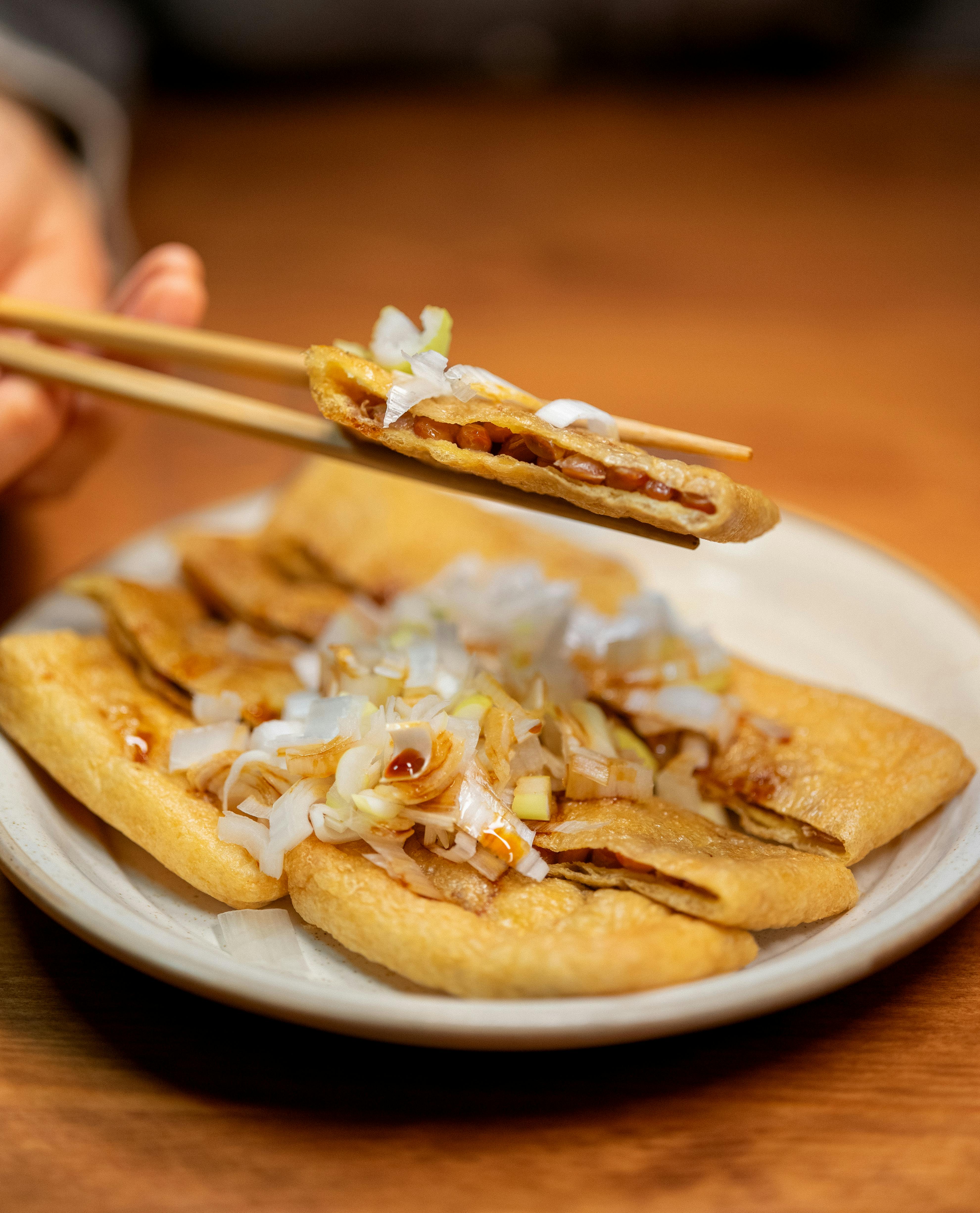
Daegu-tang: Gadidae Myofibrillar Proteolysis, Thermal Marine Peptide Solubilization, and Volatile Organosulfur Viscosity Attenuation
Perfected as an elite, highly restorative maritime culinary classic within the coastal fishing ports of the Korean peninsula, the fiery white or red fish soup known as Daegu-tang (Spicy Cod Soup) stands as a supreme, hyper-sensitive laboratory masterclass in *Gadidae* myofibrillar proteolysis, thermal marine peptide solubilization, and advanced volatile organosulfur viscosity attenuation mechanics. The biological centerpiece of this preparation is the fresh Pacific cod (*Gadus cephalus*), a marine species characterized by exceptionally short, delicate muscle blocks known as myotomes, which are bound together by highly fragile, heat-sensitive connective sheets of collagen cross-links. The chopped fish segments are submerged in a low-salinity dashi broth along with dense blocks of winter radish (*mu*), sea kelp, and a massive volume of garlic esters. When the liquid reaches a steady, controlled simmer maintained strictly at 88°C, the fragile collagen sheets experience instantaneous thermal denaturation, collapsing completely into water-soluble gelatin. This rapid structural dissolution allows the white muscle fibers to separate easily into succulent, juicy flakes while preventing the flesh from turning tough or stringy. Simultaneously, the intense heat breaks down the radish parenchyma cell walls, leaching large reservoirs of sweet inulin polysaccharides and active diastase enzymes into the boiling fluid. These compounds act as natural surfactants, capturing the escaping marine lipids and volatile fish oils to form a remarkably clean, non-greasy, and nutrient-dense broth infused with sharp organosulfur compounds that stimulate immediate gastric restoration.

Galbi-gui: Intramuscular Sarcoplasmic Myosin Pyrolysis, Proteolytic Bromelain Tenderization, and Volatile Sesquiterpene Maillard Lacquering
Representing the absolute pinnacle of luxury communal dining across contemporary South Korean gastronomic culture, the authentic preparation of Galbi-gui (Grilled Beef Short Ribs) represents an extraordinary, highly advanced engineering showcase of intramuscular sarcoplasmic myosin pyrolysis, proteolytic bromelain tenderization, and high-velocity volatile sesquiterpene Maillard lacquering mechanics. The premium culinary substrate consists of bovine flanken-cut short ribs, an anatomical zone characterized by alternating layers of dense skeletal muscle fibers and massive sheets of white intramuscular triacylglycerol lipids and tough collagenous perimysium. To overcome this structural rigidity, the meat is deeply scored with a parallel array of knife incisions and fully submerged within a complex marinade composed of aged soy sauce, sesame oil, pure sucrose, minced garlic, and fresh kiwi or pear purée. The exotic fruit pulps contain dense concentrations of active actinidin or pirin cysteine proteases. Over an extended marination window, these active enzymes systematically cleave the rigid peptide bonds within the dense collagen sheets, significantly expanding the water-binding capacity of the meat fibers. When these marinated ribs are laid over a superheated open-grid copper brazier fueled by hardwood charcoal radiating intense infrared energy at 220°C, a violent kinetic transformation occurs. The high surface heat drives off surface moisture, driving instantaneous amino-carbonyl cross-linking between the reducing sugars and free amino acids. This builds a magnificent, deeply caramelized mahogany crust that seals inside the meltingly tender fats.

Eomuk-tang: Thermal Myosin Globulin Cross-Linking, Myofibrillar Sol-Gel Transition, and Amphiphilic Purine Nucleotide Synergism
Evolving from historical seaside preservation methods into an essential, universally cherished late-night market comfort classic, the steaming soup known as Eomuk-tang (Fish Cake Soup) stands as a monumental architectural monument to thermal myosin globulin cross-linking, advanced myofibrillar sol-gel transition, and amphiphilic purine nucleotide synergism kinetics. The structural foundation of this dish relies on *eomuk*, an elastic food matrix synthesized by grinding white fish meat into a fine paste, mixing it with salt, egg whites, and potato starches, and flash-frying the shaped units in hot oil. The addition of sodium halides dissolves the rigid muscle structures, allowing the structural myosin and actin globulin filaments to uncoil and cross-link into a tight, three-dimensional viscoelastic protein web that traps water molecules and starch granules, resulting in a unique, bouncy, and snapping texture. These fried fish cakes are skewered and submerged into a gently boiling broth derived from hours of simmering dehydrated anchovies, sea kelp, and radishes at 92°C. As the fish cakes simmer, their external fried starch-protein layers absorb the hot savory fluid via capillary action, expanding their internal volume while remaining fully intact due to the resilient cross-linked protein network. Simultaneously, the soup leaches out dense reservoirs of free amino acids, succinic acids, and purine nucleotides from both the cakes and the dashi base, producing an extraordinarily clear, comforting, and deeply savory umami broth.
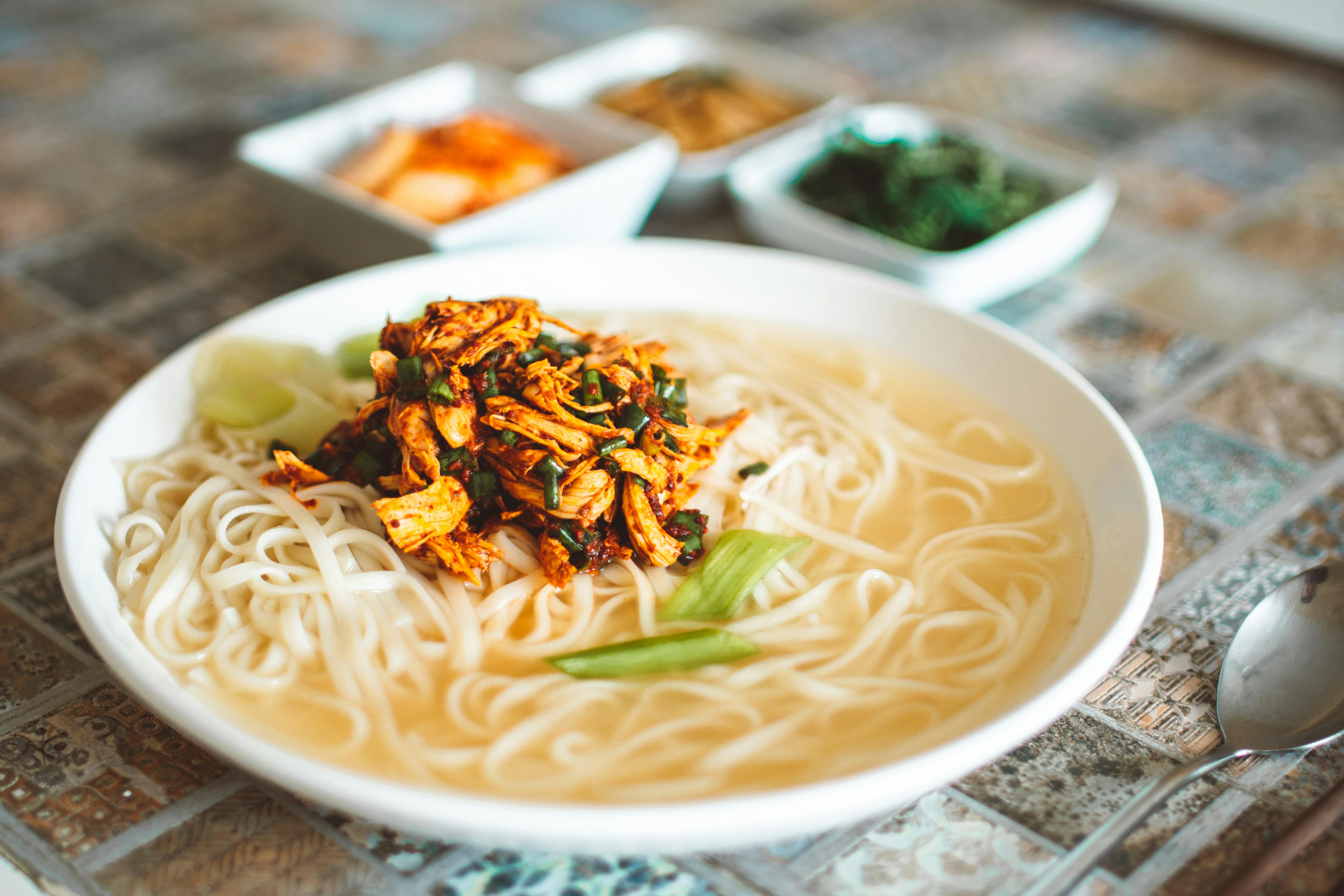
Bori-cha guksu: Cryogenic Starch Retrogradation Kinetics, Alkylpyrazine Volatilization, and Viselastic Glucan Network Deconvoluting
Synthesized within the contemporary culinary laboratories of South Korea as an ultra-refreshing summer innovation, the unique cold dish Bori-cha guksu (Chilled Barley Tea Noodle Soup) stands as a supreme, highly sophisticated biochemical monument to cryogenic starch retrogradation kinetics, alkylpyrazine volatilization, and viscoelastic glucan network deconvoluting mechanics. The structural base of this dish relies on ultra-thin wheat and roasted barley noodles (*somyeon*) extruded from a high-protein flour matrix. The dough is intensively kneaded to align long glutenin and gliadin chains into a tight, gas-impermeable viscoelastic network before extrusion. When these noodles are boiled, the linear amylose and branched amylopectin chains undergo complete thermal gelatinization, expanding their carbohydrate lattices. The cooked strands are instantly plunged into an ice-water bath, initiating rapid cryogenic starch retrogradation that locks the uncoiled chains into a highly resilient, snapping, and ultra-firm texture. This chilled noodle mass is submerged within an icy, crystal-clear broth composed of dark roasted barley tea (*bori-cha*), low-salinity beef dashi, and a splash of fermented radish brine maintained at precisely 1°C. At this near-freezing thermal plateau, the volatile alkylpyrazines and furans locked within the roasted barley grains are stabilized, releasing a profoundly deep, nutty, and smoky aroma. The cold fluid minimizes the overall swilling of the starch strands, preventing the noodles from absorbing excess water and ensuring an exceptionally clean, crisp mouthfeel.