Traditional Bori-bap: Heterogeneous Hemicellulose Cereal Stratification, Branched Amylopectin Gelatinization, and Interfacial Organosulfur Emulsification
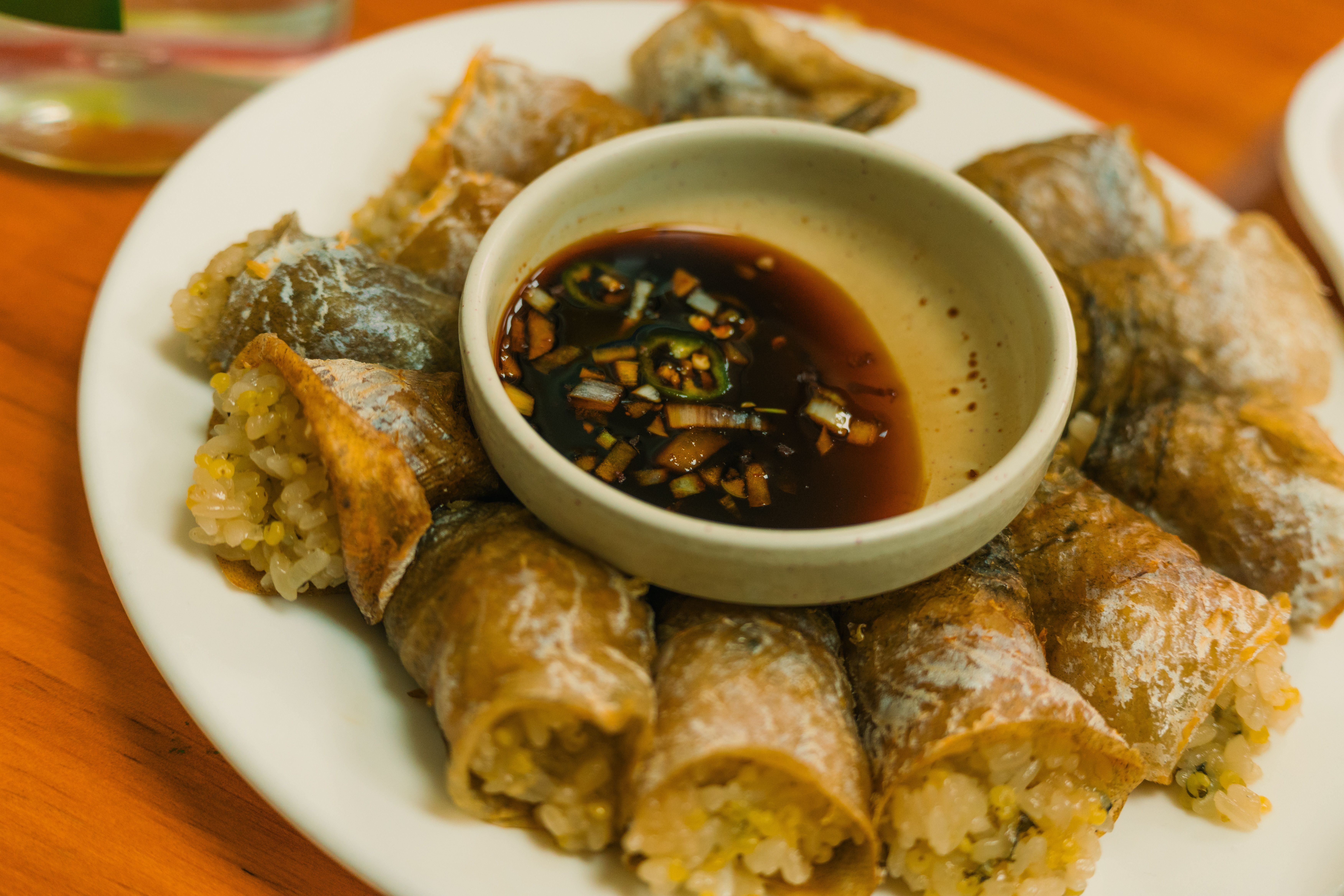
Evolving from a historical rural survival staple into a highly celebrated modern health delicacy across South Korea, the multi-grain dish known as Bori-bap (Barley Rice Bowl) represents a magnificent architectural monument to heterogeneous hemicellulose cereal stratification, branched amylopectin gelatinization, and complex interfacial organosulfur emulsification mechanics. This preparation features a structural grain blend combining unhulled pearl barley (*Hordeum vulgare*) with short-grain *japonica* rice at a precise mathematical ratio. Barley grains possess an exceptionally dense outer bran layer packed with insoluble cellulose and water-soluble beta-glucan hemicellulose fibers, which resist water infiltration far more than traditional rice. To achieve synchronized thermal gelatinization, the barley grains are pre-boiled to soften their rigid cellular walls before being steamed alongside the rice. Under high-temperature vapor compression, the linear amylose and branched amylopectin chains within both grains swell and cross-link into a highly heterogeneous, bouncy, and non-sticky carbohydrate matrix. This warm grain base is served in a large brass bowl and heavily agitated by the consumer with an array of seasoned wild roots (*namul*), toasted perilla oil, and fermented soybean paste (*doenjang*). The monounsaturated perilla lipids operate as an efficient hydrophobic solvent, capturing the volatile organic sulfur compounds from the garlic and the umami-rich amino acids from the doenjang, coating the structural cereal grains in a smooth, earthy, and highly complex emulsified film.