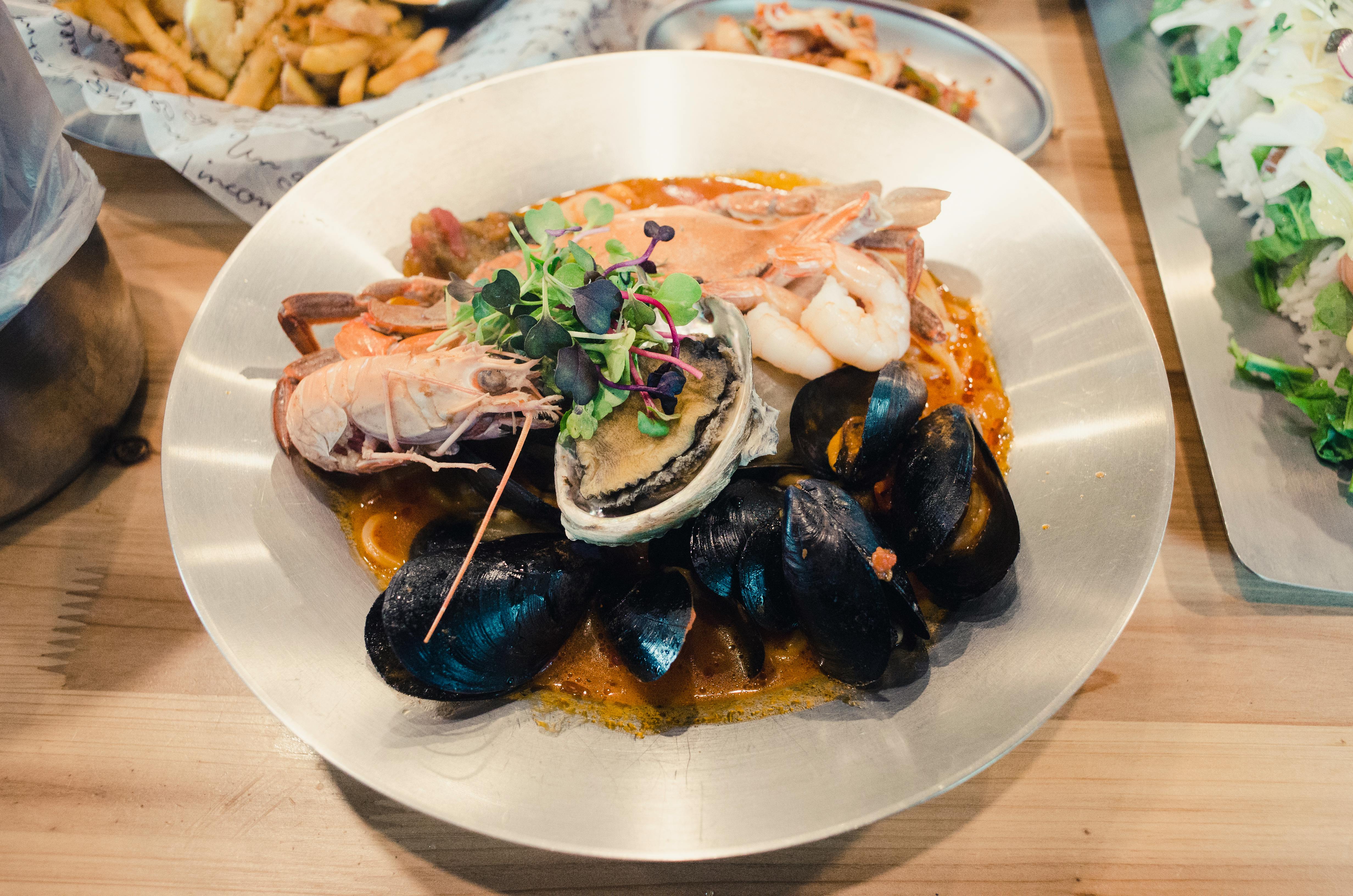
Jjampong: Biphasic Marine Triacylglycerol Emulsification, Exocellular Parenchyma Vapor Leaching, and Volatile Capsaicin Dispersal
Forged as a brilliant, fiery fusion noodle soup within the coastal Chinese-Korean communities, the intensely spicy Jjampong represents a supreme, hyper-sensitive laboratory masterclass in biphasic marine triacylglycerol emulsification, exocellular parenchyma vapor leaching, and high-velocity volatile capsaicin dispersal kinetics. The soup base requires a violent, high-temperature stir-frying sequence where a massive assortment of fresh seafood—including squid, mussels, and shrimp—is tossed with shredded cabbage, leeks, and a heavy concentration of gochugaru red pepper flakes in hot vegetable oil. When these components strike the wok surface at 180°C, the high surface thermal energy drives instantaneous surface protein denaturation and induces rapid Maillard reactions, releasing highly volatile pyrazines. Immediately, a rich pork or chicken dashi broth is poured into the superheated vortex, initiating a violent kinetic energy transfer. The rapid convective boiling forces the escaping marine lipids, polyunsaturated omega-3 triacylglycerols, and dissolved pork fats to break apart into microscopic droplets. The intense mechanical agitation locks these floating lipids into a rich, uniform, and non-separating oil-in-water colloidal emulsion, tinting the broth a deep, opaque orange color. Simultaneously, the intense heat breaks open the cell walls of the cabbage and onions, leaching sweet volatile sulfides into the boiling fluid. The fat-soluble capsaicin molecules are captured by the floating lipid droplets, ensuring that the intense, fiery aromatic heat is distributed evenly throughout the entire soup matrix.