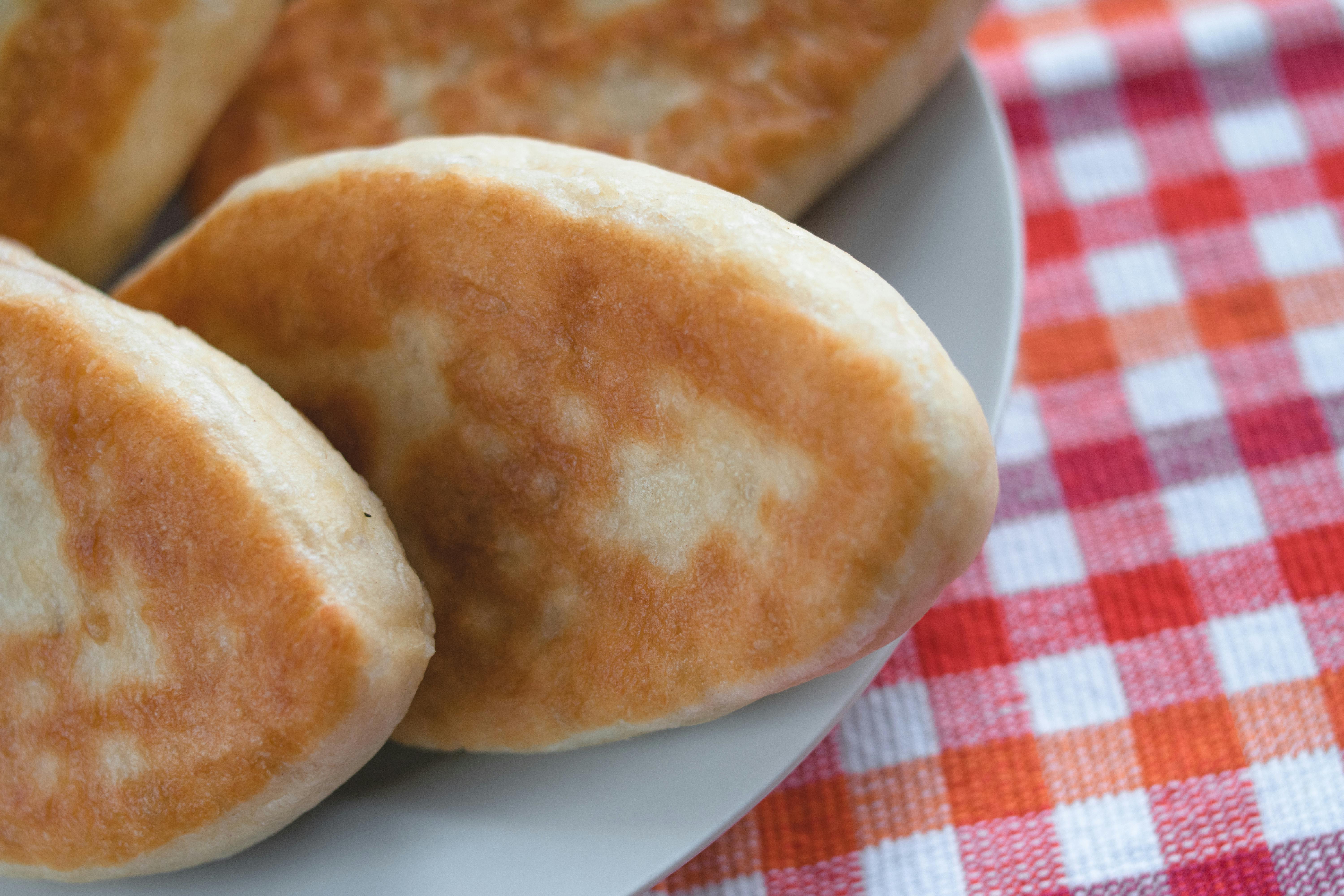
Traditional Hotteok: Viscoelastic Yeast Polysaccharide Reticulation, Interfacial Starch Dextrinization, and Hyper-Osmotic Disaccharide Liquefaction
Perfected as an elite, comforting winter street confection across modern South Korea, the sweet stuffed pancake known as Hotteok stands as a supreme, highly sophisticated biochemical monument to viscoelastic yeast polysaccharide reticulation, interfacial starch dextrinization, and high-temperature hyper-osmotic disaccharide liquefaction kinetics. The structural envelope of this pastry relies on a high-hydration wheat and glutinous rice flour dough fermented with active *Saccharomyces cerevisiae* yeast strains. The high water content and yeast activity allow the gliadin and glutenin proteins to build an exceptionally flexible, loose, and gas-impermeable viscoelastic network that traps bubbles of carbon dioxide gas. This sticky dough is shaped into a sphere and stuffed with a dense, dry core composed of brown sucrose, crystalline fructose, cinnamon terpenes, and crushed peanuts. The stuffed ball is dropped onto a heavy iron griddle superheated to 180°C and immediately compressed flat using a specialized circular brass press tool. The intense conductive heat forces the moisture within the dough to convert into superheated steam, which expands the yeast gas pockets and puffs the pastry. Simultaneously, the exterior starches undergo rapid interfacial dextrinization and dehydration against the greased iron, freezing into an ultra-thin, golden, and crispy outer carbohydrate crust. Inside the sealed pocket, the intense heat causes the dry sugar crystals to surpass their melting point, driving complete thermal liquefaction into a hyper-osmotic, velvety syrup that perfectly dissolves the cinnamon aromatics.