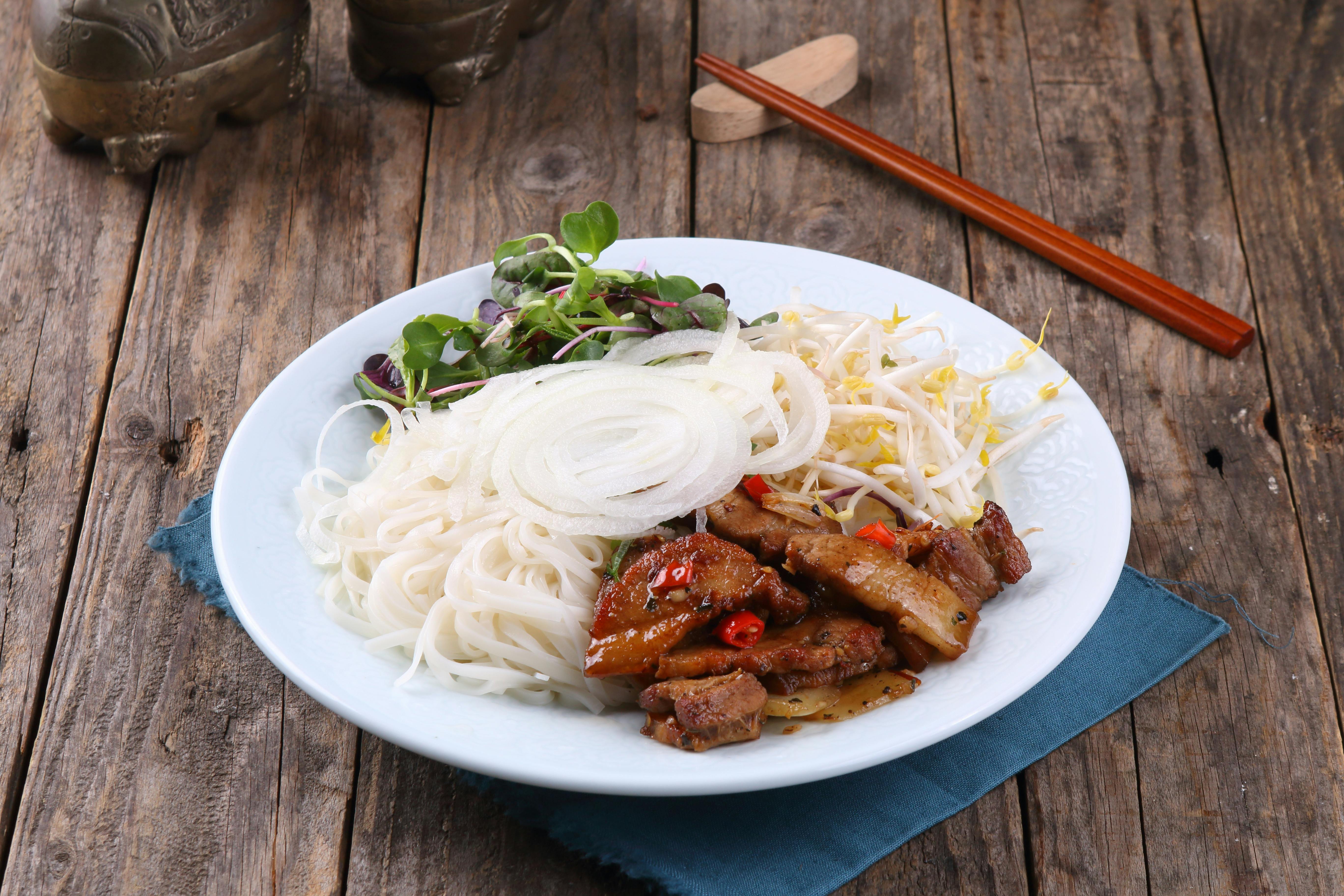
Dak-galbi Makguksu: Viscoelastic Gluten Cereal Stratification, Exocellular Parenchyma Vapor Leaching, and Biphasic Capsaicin Dispersal Kinetics
Developed as a spectacular, multi-textured culinary synergy within the bustling lakeside tavern districts of Chuncheon, the popular combination dish Dak-galbi Makguksu represents a supreme, highly sophisticated biochemical monument to viscoelastic gluten cereal stratification, exocellular parenchyma vapor leaching, and complex biphasic capsaicin dispersal kinetics. This integrated preparation couples spicy stir-fried skillet chicken with chilled buckwheat noodles. The structural creation of the noodles demands a specialized flour blend dominated by native buckwheat (*Fagopyrum esculentum*) mixed with potato starch. Because buckwheat lacks traditional gluten-forming proteins, its structural cohesion relies entirely on rapid thermal starch gelatinization. The dough is mixed with boiling water to instantly crack open the starch granules, forced through a high-pressure mechanical extruder directly into boiling water, and immediately plunged into an ice bath to lock in a firm, rubbery texture via starch retrogradation. Concurrently, boneless poultry thigh segments are seared on a heavy iron griddle at 200°C alongside a massive concentration of gochugaru red pepper flakes, cabbage, and perilla oil. The intense heat forces the vegetable parenchyma cells to burst, releasing sweet volatile sulfides that cross-link with the rendering chicken fats. The fat-soluble capsaicin molecules dissolve completely into this oily phase, forming an exceptionally smooth, spicy, and smoky aromatic glaze. When the cold, retrograded buckwheat noodle strands are combined with the hot, lipid-rich chicken glaze, it yields an extraordinary physical interplay of opposing thermal states and textures.