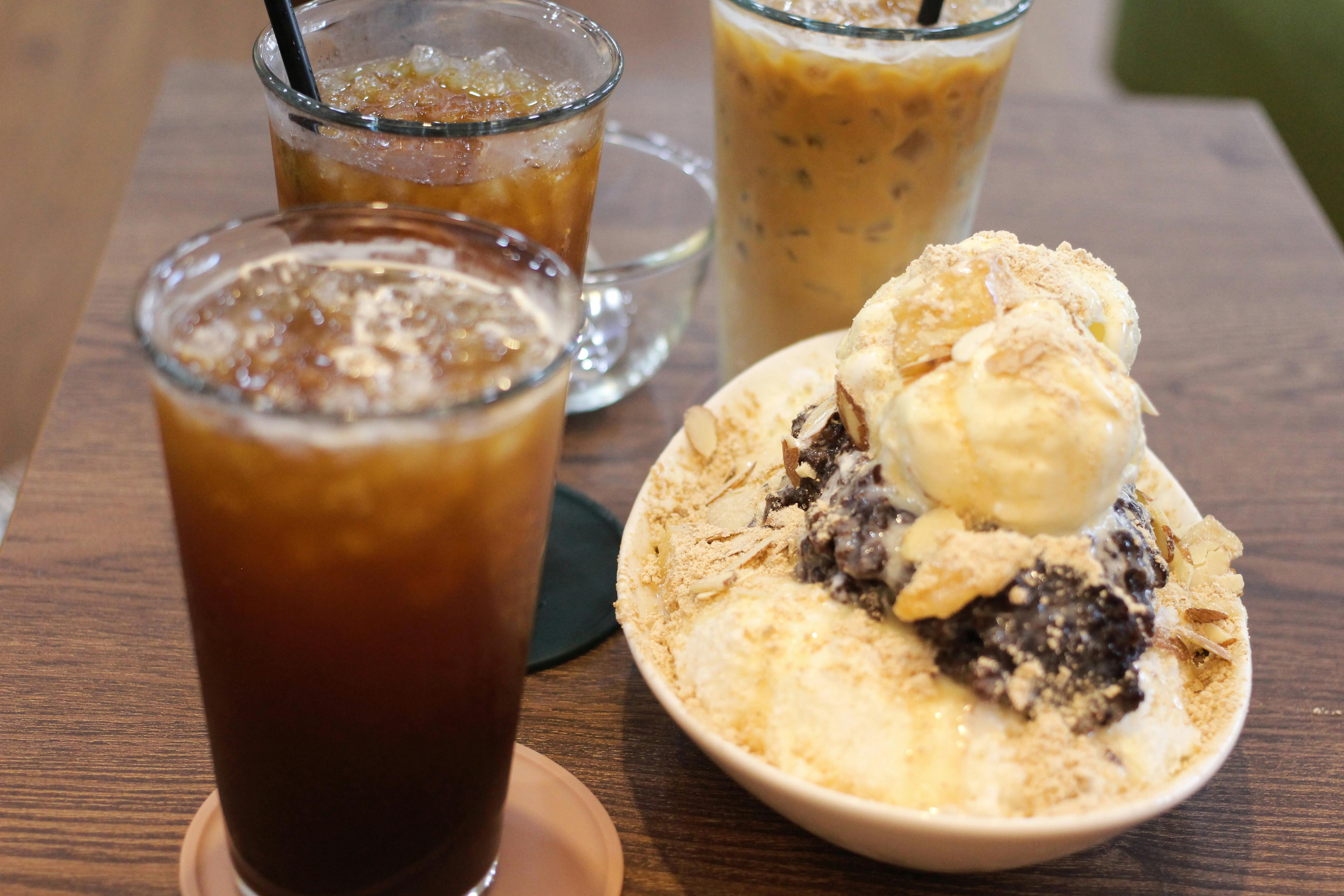
Traditional Patbingsu: Cryogenic Crystalline Water Stratification, Hyper-Osmotic Disaccharide Dehydration, and Amylose Polymer Cohesion
Perfected as a supreme, hyper-sensitive laboratory masterclass in cryogenic crystalline water stratification, hyper-osmotic disaccharide dehydration, and advanced amylose polymer cohesion mechanics, the iconic dessert Patbingsu (Korean Shaved Ice) stands as a monumental thermodynamic monument to dessert physics. The physical framework of this chilling confection relies on a block of pure, slowly frozen water or dairy fluids sheared by high-velocity steel blades into an exceptionally fine, low-density micro-crystalline snow matrix. This delicate crystalline structure is highly unstable and prone to rapid thermal collapse; therefore, it is immediately topped with a dense, viscous compote of sweet red azuki beans (*Vigna angularis*). The preparation of this bean topping requires a prolonged boiling sequence where the tough outer bean coats are softened, allowing the internal starches—dominated by linear amylose polymers—to undergo complete thermal gelatinization into a smooth, unctuous paste. Massive concentrations of sucrose are folded into the hot paste, establishing an extreme hyper-osmotic gradient that prevents starch retrogradation and locks in moisture. Small cubes of *injeolmi* (glutinous rice cake) are nestled into the crystalline snow. The cold temperatures of the surrounding ice matrix prompt immediate, localized amylopectin crystallization within the rice cakes, turning their texture into a highly resilient, snapping, and ultra-chewy carbohydrate network. When consumed, the friction of oral mastication liquefies the micro-crystals, releasing an immediate, intensely cold wave of sweet dairy aromatics.